
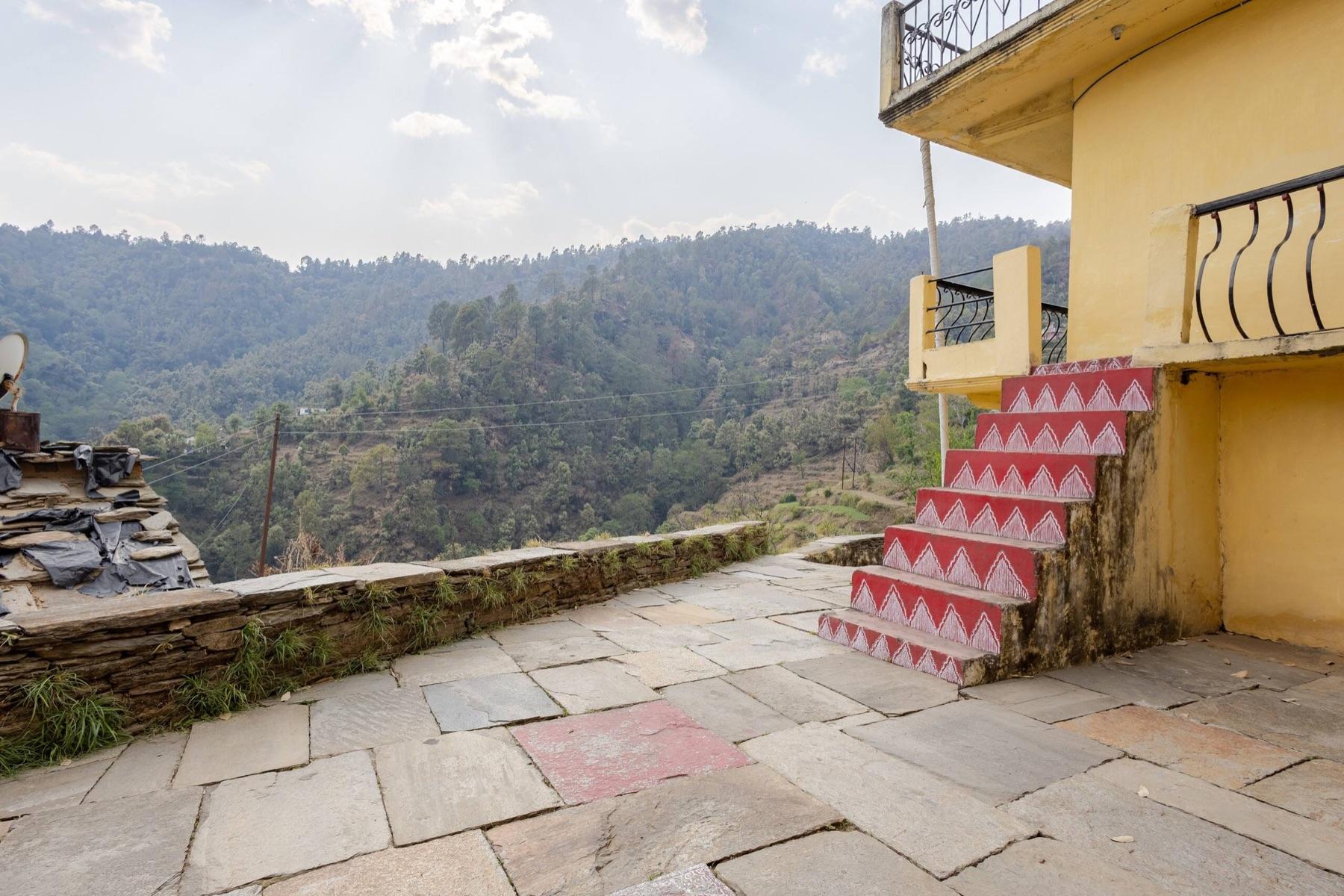
The ground we stand on
Raised on more than stone and slate
This house was brought up on a few deep-rooted values as much as on its walls. My grandfather lived by them, then my father and uncles, and now us — the same handful of things, held firmly, passed quietly from one generation to the next.
None of it was ever taught as a lesson. It was simply the air of the place — and, looking back, what growing up here actually felt like.
What we hold to
A few things, held firmly
Others before self
The first rule of this house — never spoken, always there. My grandfather lived it, my father and uncles after him, and we try to now: put the other person first, and the rest takes care of itself.
Farming & nature's harmony
We live by the land's rhythm rather than against it — the terrace, the seasons, the animals, the water. To keep step with nature instead of bending it is its own quiet contentment.
Always a step ahead
Each generation readies the next for a world it won't fully see. My grandfather did it for my father and uncles; they did it for me; and we're trying to do the same for whoever comes next.
Firm and grounded
Stay rooted whatever comes — soft in manner, steady underneath. The hills don't move for the weather, and neither, we hope, do we.
Happiness is in the giving
We've found the joy is far more in giving than in receiving. More than anything, this house wants to be of use — and that, quietly, is where its happiness comes from.
The words we grew up on
Kabir, on a loop
Kabir's Amritvani played in this house for as long as I can remember — my mother's favourite album of all, alongside the Hanuman Chalisa. More of who I am was shaped by these couplets than by anything I was formally taught. A few we hold especially close:
साईं इतना दीजिए, जामें कुटुम समाय।
मैं भी भूखा ना रहूँ, साधु ना भूखा जाय॥
ऐसी वाणी बोलिए, मन का आपा खोय।
औरन को शीतल करे, आपहु शीतल होय॥
पोथी पढ़ि पढ़ि जग मुआ, पंडित भया न कोय।
ढाई आखर प्रेम का, पढ़े सो पंडित होय॥
बड़ा हुआ तो क्या हुआ, जैसे पेड़ खजूर।
पंथी को छाया नहीं, फल लागे अति दूर॥
गुरु गोविंद दोऊ खड़े, काके लागूं पाँय।
बलिहारी गुरु आपने, गोविंद दियो बताय॥
माला फेरत जुग भया, फिरा न मन का फेर।
कर का मनका डार दे, मन का मनका फेर॥
काल करे सो आज कर, आज करे सो अब।
पल में परलय होएगी, बहुरि करेगा कब॥
जब मैं था तब हरि नहीं, अब हरि है मैं नाहिं।
सब अँधियारा मिट गया, दीपक देखा माहिं॥
दुख में सुमिरन सब करे, सुख में करे न कोय।
जो सुख में सुमिरन करे, तो दुख काहे को होय॥
निंदक नियरे राखिए, आँगन कुटी छवाय।
बिन साबुन पानी बिना, निर्मल करे सुभाय॥
धीरे-धीरे रे मना, धीरे सब कुछ होय।
माली सींचे सौ घड़ा, ऋतु आए फल होय॥
जाति न पूछो साधु की, पूछ लीजिए ज्ञान।
मोल करो तरवार का, पड़ा रहन दो म्यान॥
On a window, full volume
Back then the village didn't have too many means of music or entertainment. I used to play these on a speaker in the window at full volume, and the sound would carry across the whole valley — and all of us would quietly enjoy it together. I think it's still practised, because whenever I go home I put some of it on the same way, and it takes me right back to those old days.
 Manohar NegiOwner & host
From Kabir's saakhis and the Amritvani.
And not only ours
The village says it too
These aren't ours alone. The same values run through the homes around us — and in time we'll gather them here, in the words of the people of this village and the hills beyond.
More of the story