
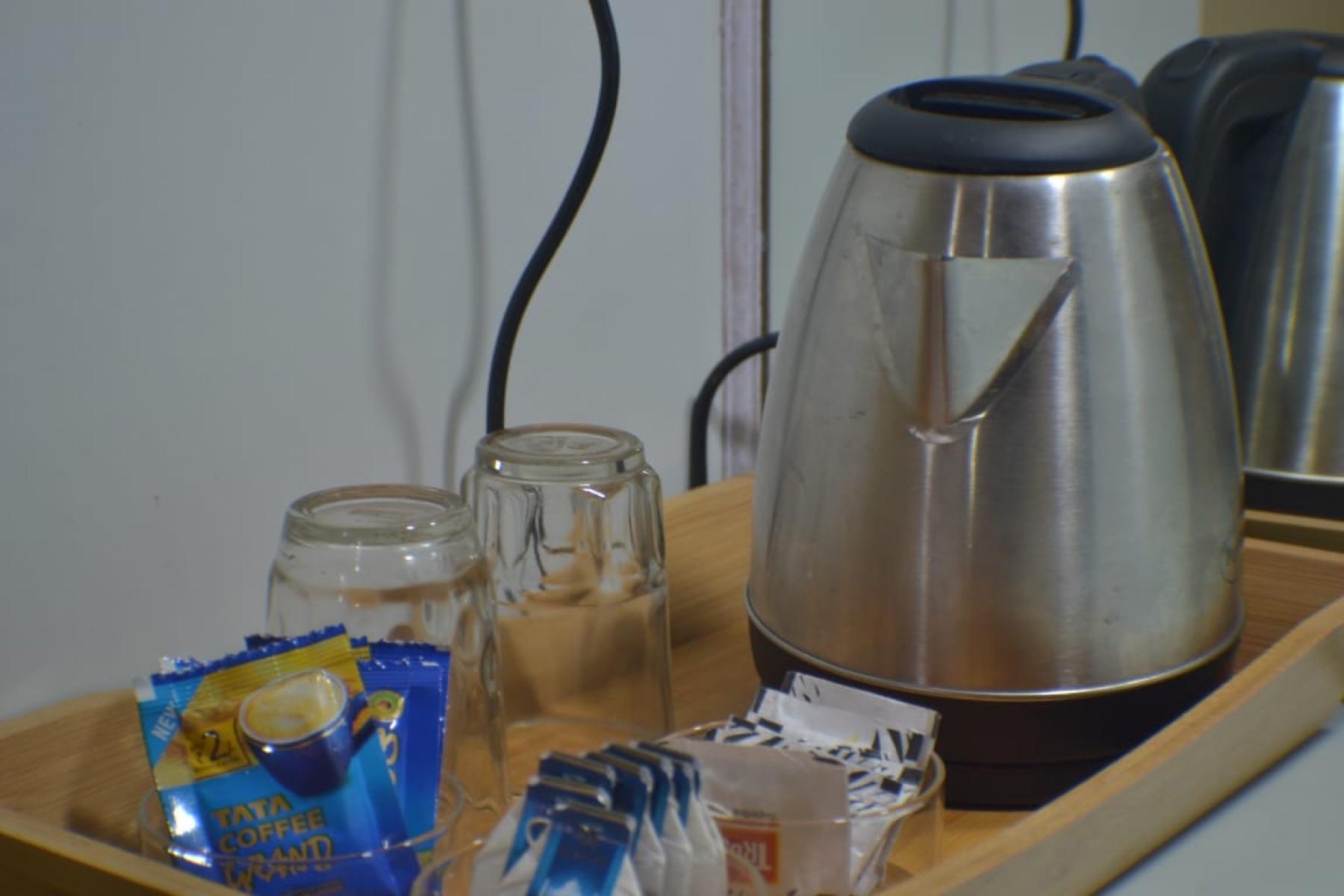
Unhurried, on purpose
The Art of Slow Days
Unhurried days of doing less, and feeling more.
Back to homeThe whole idea
The hills don't rush. Neither should you.
We're not built for the kind of travel you count in sights. Here, the richness is in staying still long enough that the days begin to blur gently into one another — in doing less, and noticing more.
Give it time, and the place changes around you. The first day you arrive; the second you exhale; and by the third, you've quietly stopped reaching for your phone to check the hour at all anymore.
That's slow travel as we mean it — not a slower way to see things, but a way of being somewhere so fully that it stops being a place you're visiting, and becomes, for a few days, simply where you are.
A day here
What a slow day looks like
Nothing is scheduled. But if you let a day unfold on its own, it tends to go something like this.
- First light
Chai as the sun lifts
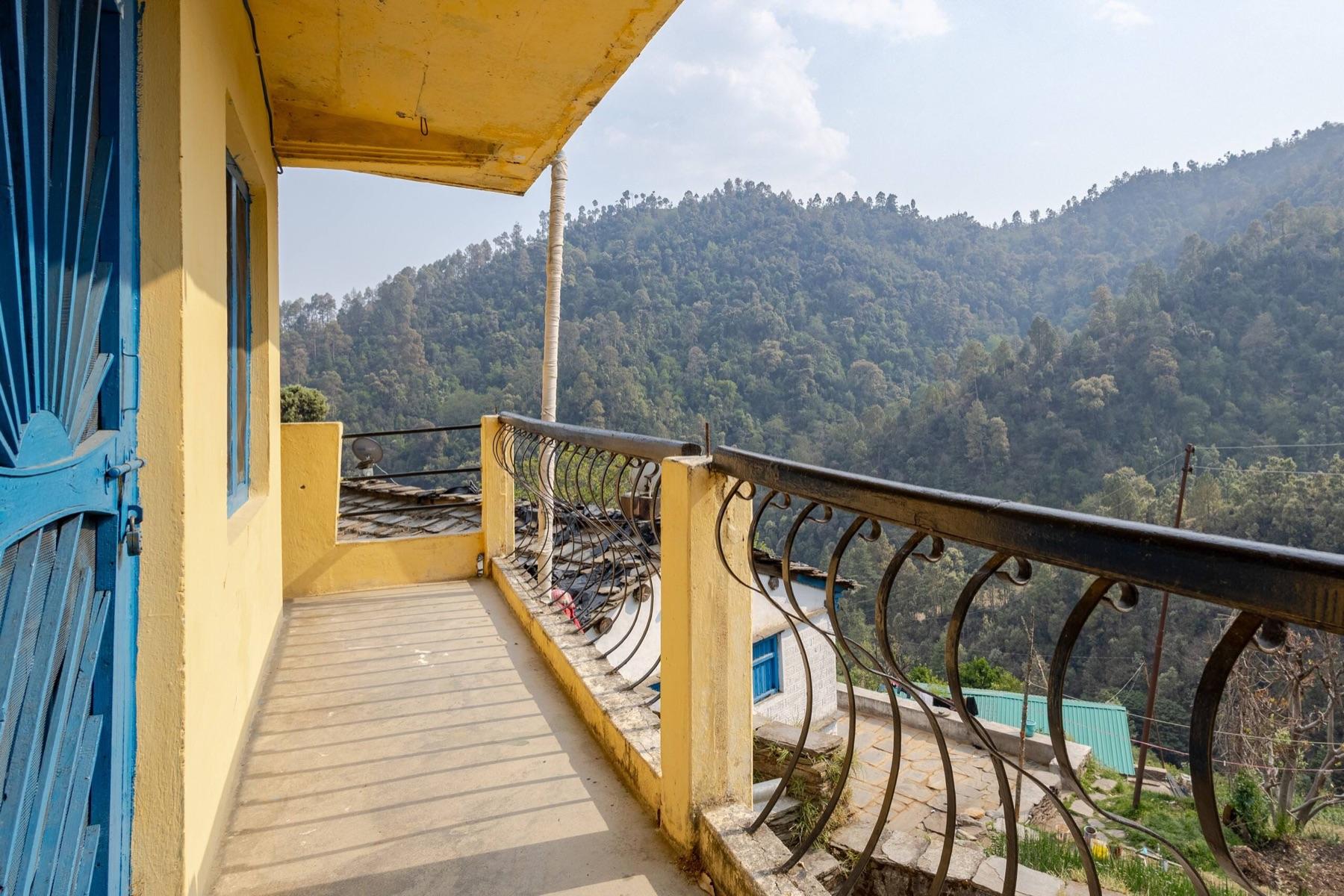
Wake to birdsong, not an alarm. A hot cup of chai on the terrace while the sun climbs over the far ridge and the valley turns gold.
- Morning
Nowhere to be
Breakfast in no hurry, then a long, open morning — a book, a sunbeam, the whole valley laid out in front of you, and not a single thing you must do.
- Midday
Out for a wander
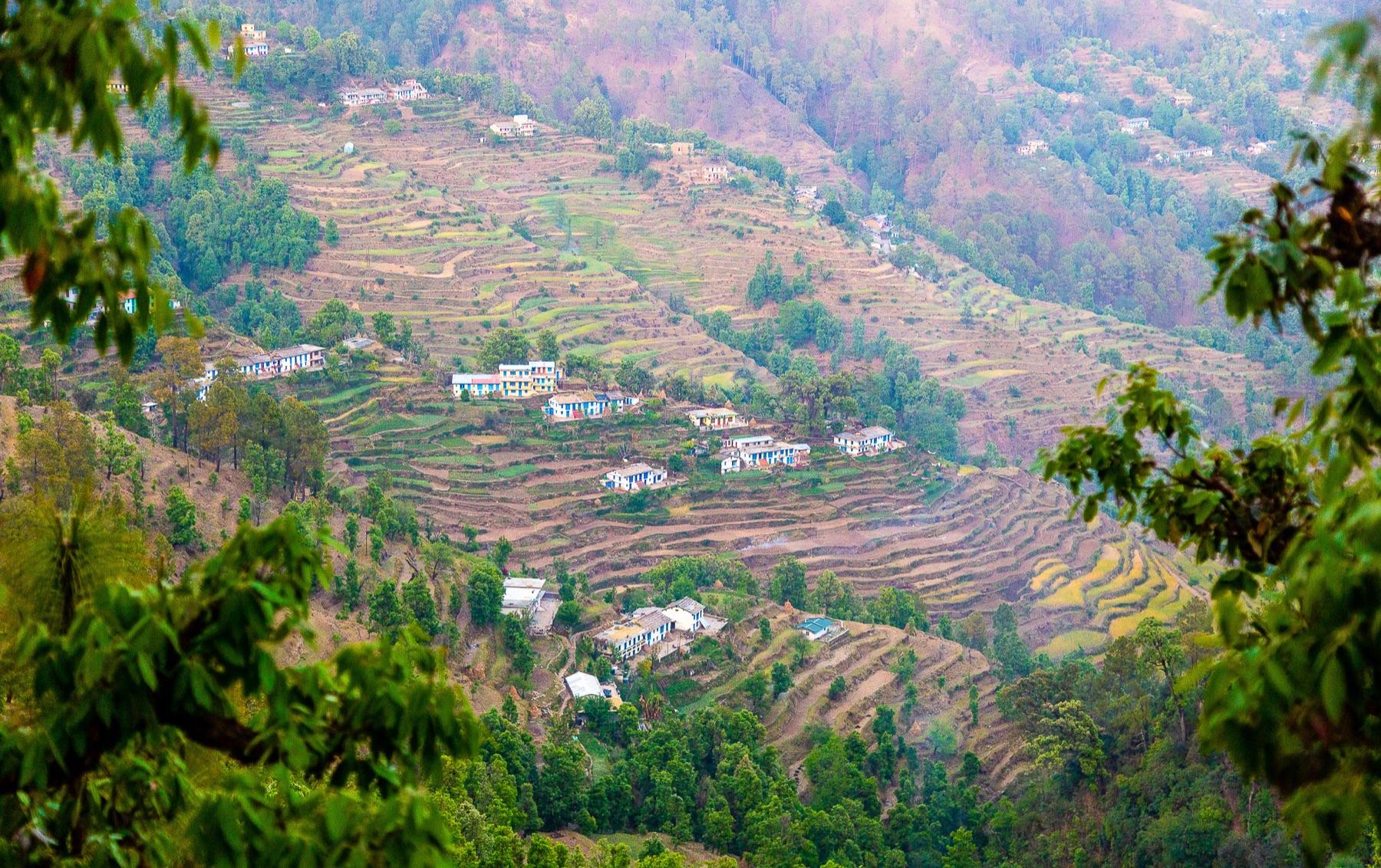
Amble down the village lanes and let yourself be called in for chai. Meet a da, a kaku, a grandmother on her doorstep; lose an hour, happily.
- Afternoon
A long lunch, then less
Food from the fields, eaten slowly with us. Then a nap, or the terrace chair, or simply watching the clouds drag their shadows across the hills.
- Evening
Round the fire
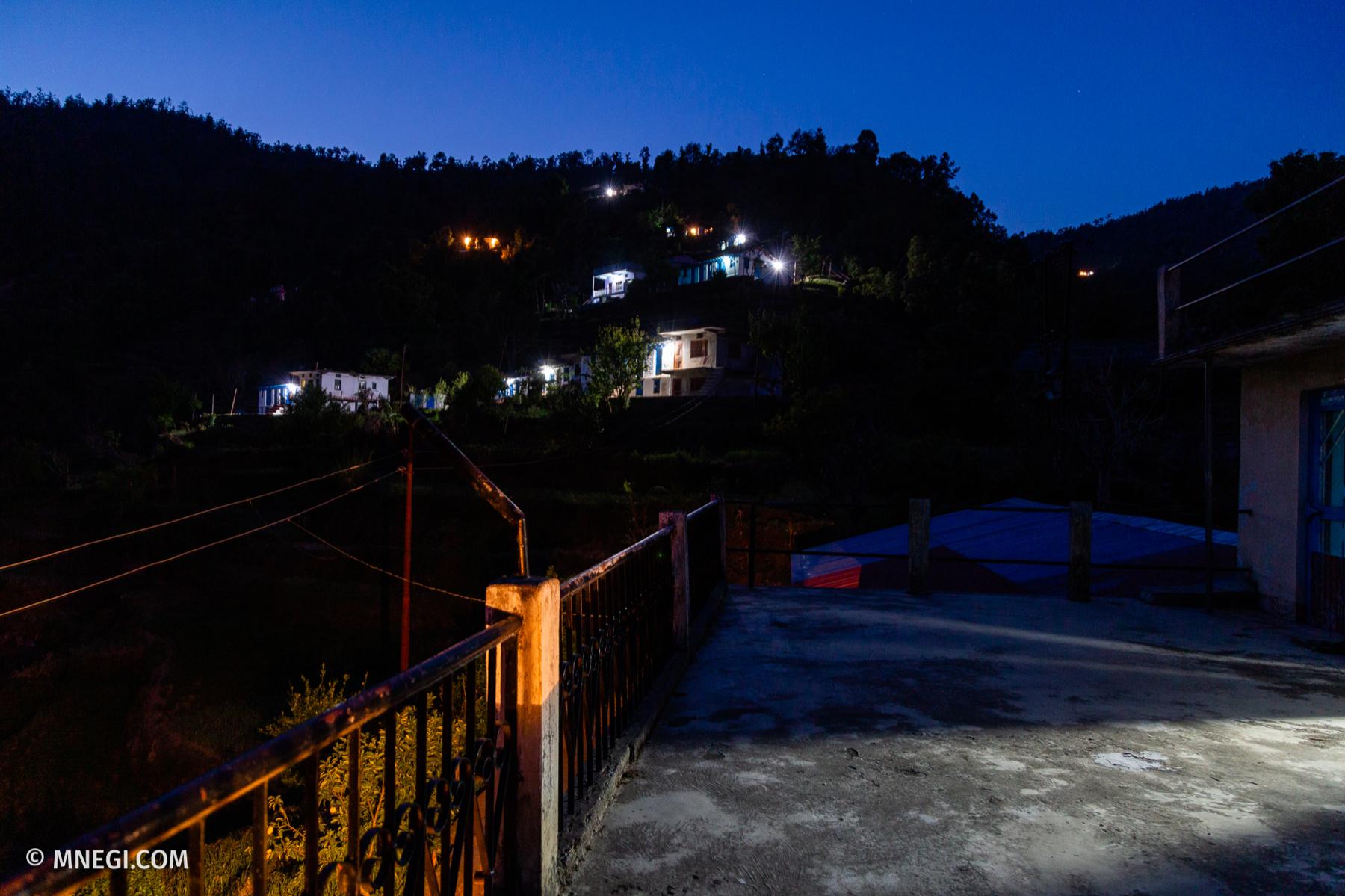
The light softens and slips behind the ridge. A bonfire takes its place, a little music maybe, and overhead the sky thickens with more stars than you've seen in years.
- Night
The hills go quiet
Wrapped up by the sigdi, the village winds down. Early to bed — that's simply how time is kept up here, and by now you'll keep it too.
No plan. None at all.
Here you don't follow a list — you pick from one
However many days you have, spend them here — at the house, in the village — not racing out to tick off sights. Sit long on the terrace, eat slowly, walk the lanes, do gloriously little. That's the whole idea: genuine slow travel — even if two days can never be truly slow.
A slow day comes with no itinerary. This is simply what's here, whenever you feel like it. Choose what calls you, leave the rest, do one thing a day or none at all — that freedom is the whole point.
Want a plan instead? See the day-by-day itineraries.
Why it matters
What slow travel gives back
Travel less, stay longer, and three things quietly change for the better.
To you
You stop running to tick off places. Your energy returns, you rest and recharge properly, and in the stillness you become yourself again — not a visitor in a hurry, simply you.
To the village
Stay a while and the village opens up to you. Faces turn familiar, doors stay open, and what was strange becomes part of you — until one day you'll say, proudly, that you lived here.
To the earth
Fewer journeys, less noise, less fuel burned chasing the next thing. To travel slowly is to tread lightly — gentler on these hills, and on the world you crossed to reach them.
How I do it
My own slow days
For whatever it's worth, here's how I spend mine. The camera comes out, and I point it at whatever feels worth keeping — a slant of light, a face, the mist lifting off the ridge. The phone, mostly, goes aside.
It's a personal choice, and I make it cleanly. Before I come up, I tell my people I may be hard to reach for a few days — and I make sure my work on the other side doesn't suffer for my being away.
Once a day I'll connect to the wifi and have a quick look at what's happening elsewhere — just enough to know the world's still turning. And if something is genuinely urgent, I switch into remote-working mode, handle it, and set the phone back down. Then the day is mine again.
You needn't do any of this. But if you can, even a little — try it. The hills give back far more than the signal ever did.
 Manohar NegiOwner & host
Slowness takes a little while to arrive. The only real question left is — how long will you give it?
How many days should you stay?