
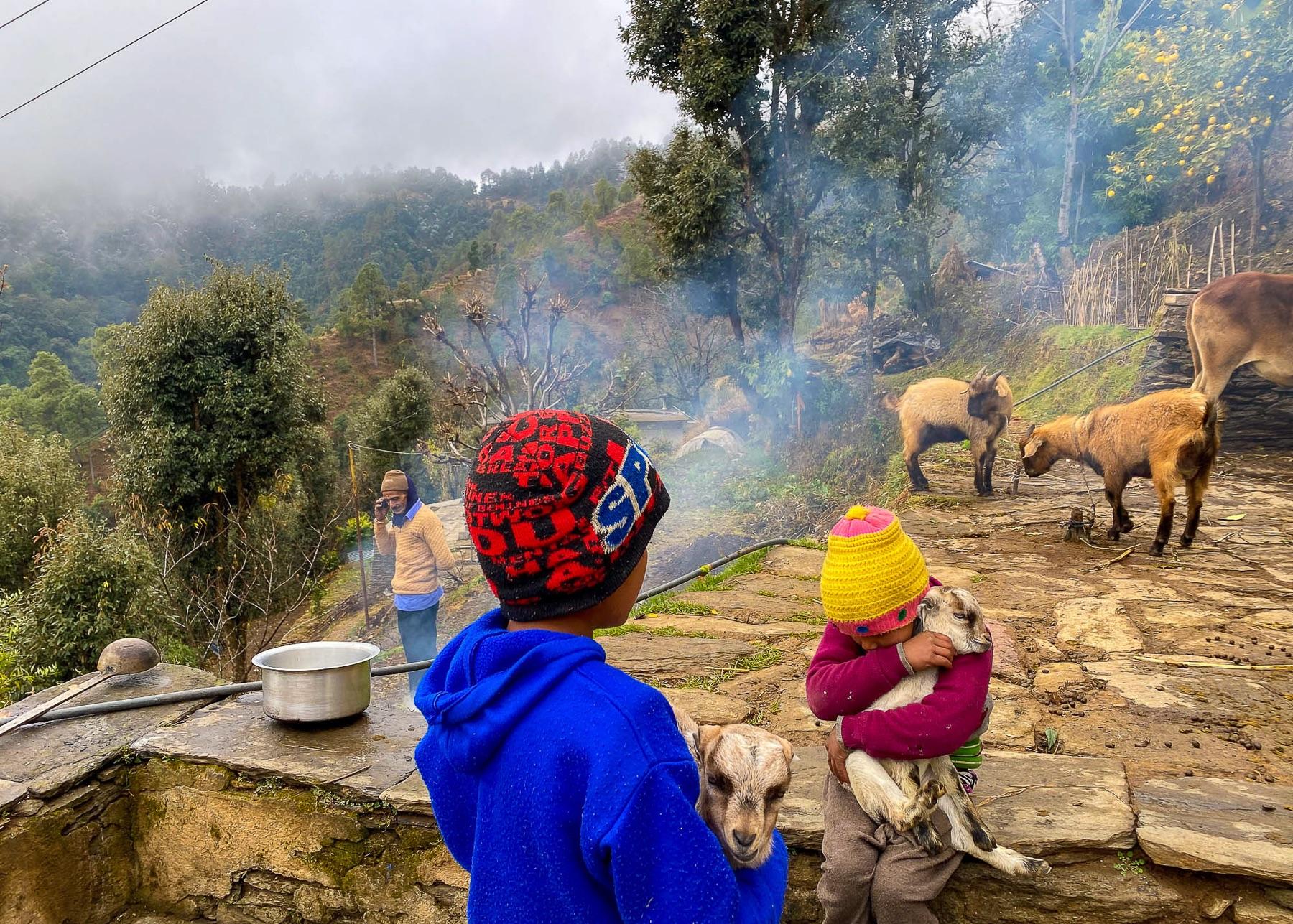
2021
Restoring a legacy, not just a home
When we set out to do up the old house, the goal was never just a comfortable place to stay — it was to restore a legacy, and bring a hundred-year-old home back to life.
Back to the journal
Contents
When we set out to do up the old house, the goal was never just a comfortable place to stay. It was to restore a legacy — to bring a hundred-year-old home, and everything it had held, back to life. What follows is the honest story of how that happened: the state we found the house in, the long struggle of the rebuild, and the people — our own people — who made it possible at all.
More than a building
It helps to say what we mean by legacy, because it isn't grand. This house was built by hands in our own family, lived in across generations, and shaped by every one of them — a room added here, a wall raised there, a courtyard worn smooth by a hundred years of feet. To let it fall would not have been losing a building; it would have been losing the one place that held all of that together. Restoring it was less a construction project than a refusal — a refusal to let that particular thread of the family simply rot back into the hillside.
The years away
For a long time, none of us were really here. Work had taken us — and my uncle and aunt — down to the plains, the way it takes so many families out of these hills. We came back once or twice in a good year, and once, the gap stretched to five whole years. The house waited, as houses do, while the dream of coming back someday — perhaps after retirement — stayed comfortably in the future. But a house cannot wait forever, and ours, we would discover, had been waiting rather too long.
The hills are full of falling houses
Ours was not a special story, which is part of why it mattered. Walk through any village in these hills and you will pass them — fine old family homes standing dark and shuttered, the families gone down to the plains for work and schooling, the houses left to the weather and the slow return of the forest. Each one is a thread of a family quietly being cut. We had watched it happen to others, and we could feel it beginning to happen to ours. Saving the house was, in some small way, a refusal to add one more empty home to that long, sad list.
The state we found it in
When we finally looked at the house honestly, with the intention of saving it, the scale of the neglect was sobering. The roof leaked — badly enough that through the monsoon you could set out buckets and watch them fill, the rain finding its way in wherever it pleased. The terrace and the verandah, the very heart of any hill house, were close to falling apart. The washrooms were not merely dated; they were not usable at all. Inside, the old paint and the mud putty on the walls had worn back to bare patches, and the floors — above all the traditional mud floor on the first storey — had begun, quietly and alarmingly, to sink.
Outside, the aangan — the courtyard that ought to be the proud open centre of the house — lay disoriented and half-lost under grass. Room by room, the story was the same: a thing built with great care a century ago, asked to stand a few decades too long without a hand to hold it up. Honestly, the overall collapse felt close — not years away, but a monsoon or two. If we were going to do this at all, it had to be now.
Restore, don't replace
From the very first, the aim was to restore the house, not to replace it. A hundred-year-old hill home is built of stone and slate and deodar, in proportions and with a craft you simply cannot buy back once they're gone. So wherever the old bones were sound, we kept them and renewed everything around them — mending rather than demolishing, matching the new work to the old, and trying at every turn to return the house to itself rather than turn it into something it was never meant to be. It is slower that way, and harder, and often more expensive. It is also the only way worth doing it.
Clearing the aangan
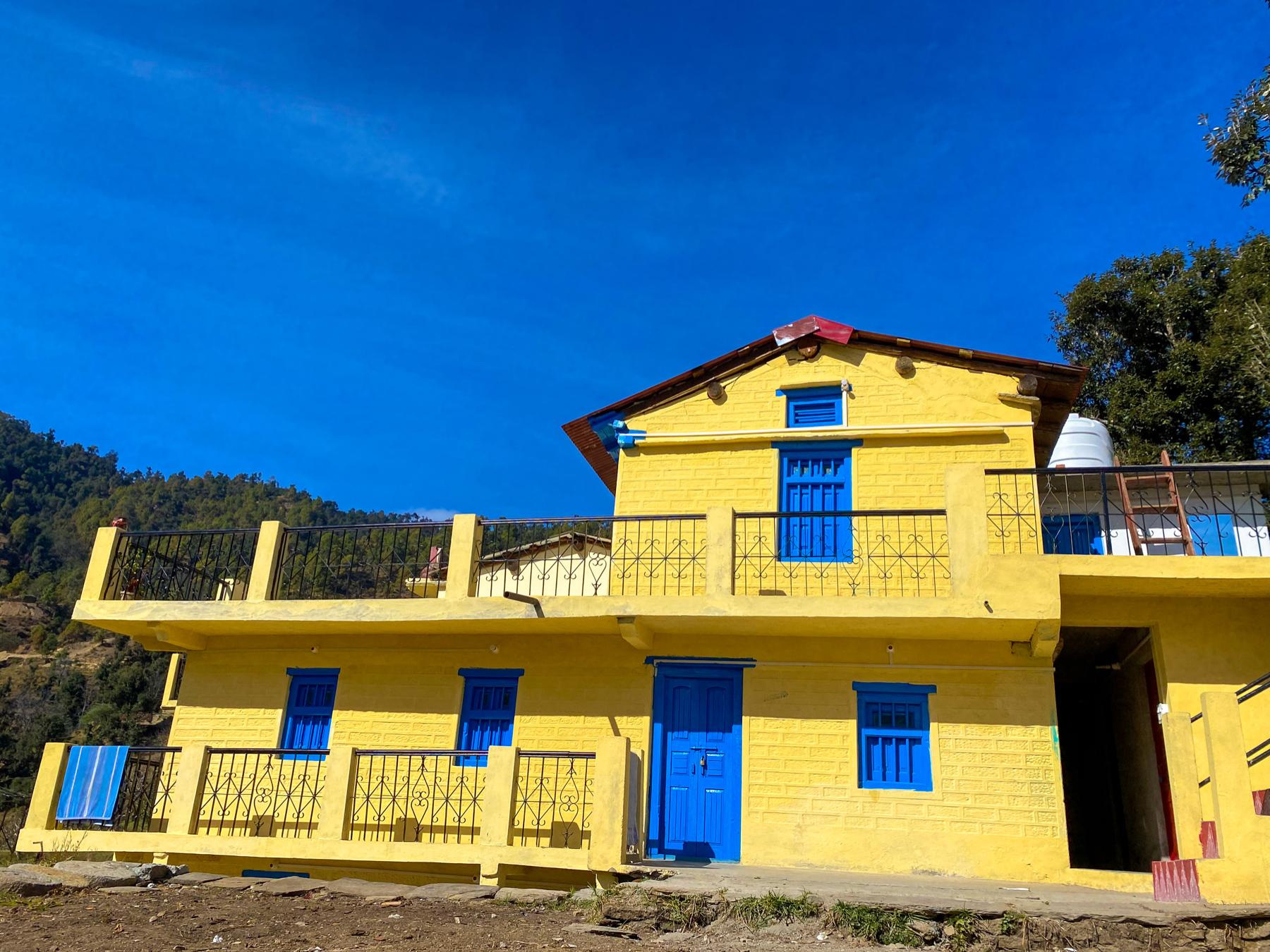
The courtyard was, in a way, the most satisfying part of all. We cleared the grass that had taken it over, set it true and level again, and gave the house back its open heart — the place where, in a hill home, everything actually happens: the chai and the gossip, the drying grain, the winter sun, and, soon enough, a wedding. A house with a dead courtyard is only rooms; a house with a living one is a home. Watching the aangan come back was, more than anything else, like watching the house itself wake up.
Why a homestay
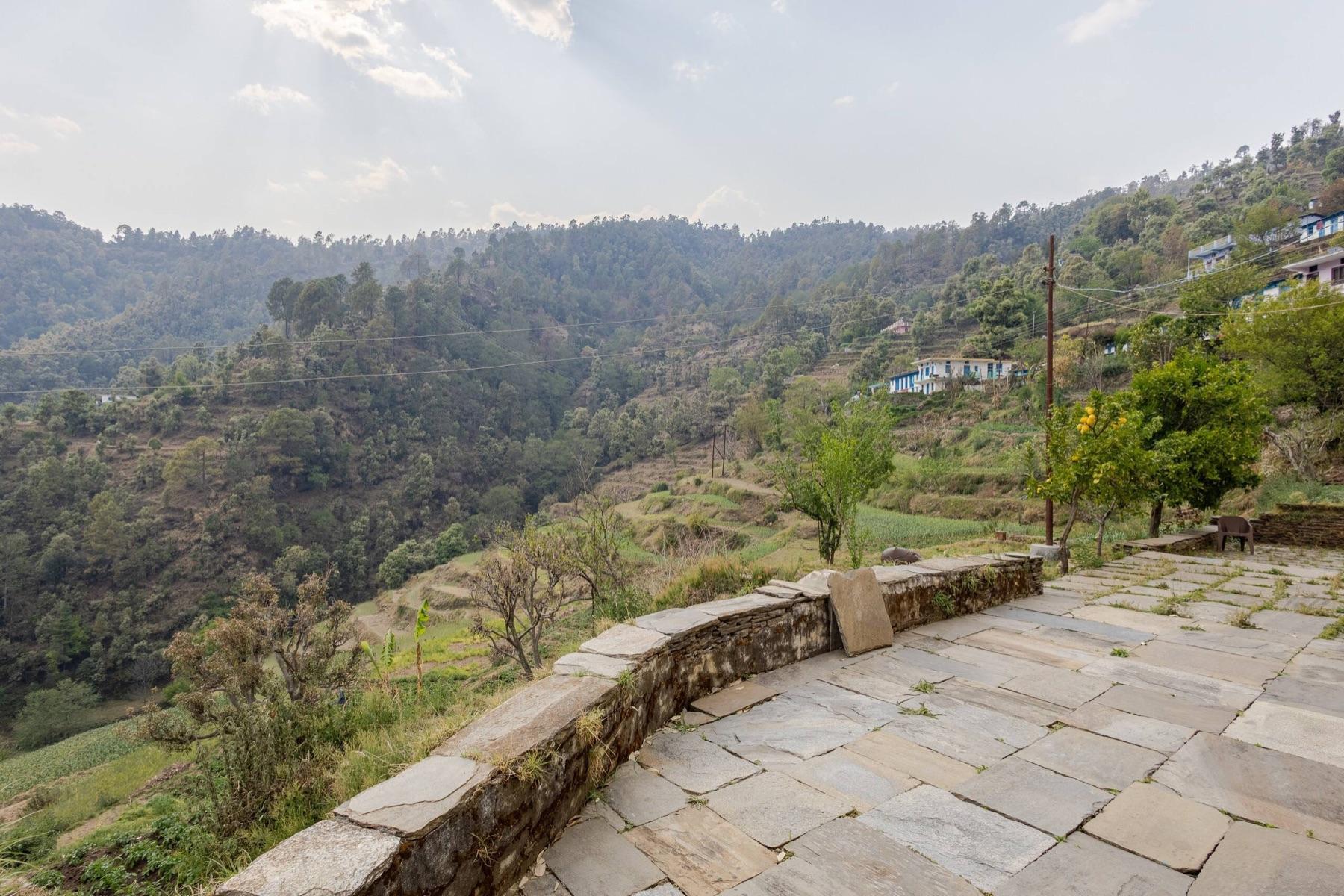
What changed our thinking was simple. A house left alone slowly stops being a home, and ours was most of the way there. We wanted a reason to keep it running — lived-in, looked after, warm — and a homestay was the honest answer. If others could come and share it, it would never again sit empty and waiting. The home would earn its own keep, and in earning it, stay alive.
The real push — Uma's wedding
Good intentions, though, drift. The deadline that finally turned the idea into work was Uma's marriage. We decided to hold the wedding in the house itself — and nothing sharpens a renovation quite like a date that cannot be moved. All at once the someday had a calendar against it, and a houseful of family arriving whether the work was finished or not. It was exactly the pressure we needed.
The work itself
None of it was smooth. The labour and the contractors were, frankly, hard going — delays that ran into more delays, a casual way with promises, and a great deal of chaos that we learned to manage rather than ever quite cure. There were stretches when it felt as though the house was being taken apart faster than it was coming back together, and more than one morning when we quietly wondered whether we had taken on more than could be finished in time.
And the rains, when they came, did not help — washing out the work, stalling the trucks, turning the site to mud; the same monsoon that had been getting into the roof for years was now slowing the very repair of it. We worked around it as best we could, in the dry windows between the downpours, and pressed on.
The turning point, when it came, was a single piece of concrete: the terrace lintel. The terrace was the first thing we set right — and the day that lintel was cast and held, the day the falling-apart heart of the house was made solid again, something shifted. From a building that was quietly collapsing, it became, for the first time, a building that was being saved. After that, for all the chaos still ahead, we never quite doubted it again.
Furnishing it
With the bones of the house made sound, we turned to the comfort of it. The furnishing and the bedding we brought from far — from Bangalore and from Haldwani — the best we could find and afford. We wanted what a guest lies down on, and wakes up to, to be genuinely good: real comfort, not a coat of fresh paint over a tired room.
Every piece of it travelled a long way up a hard road to reach the house, which is a story in itself — and very nearly one for another day. It is enough to say that nothing arrived here easily, and that the small comforts a guest now takes for granted were each carried, quite literally, up a hill.
Our own people
And in the end, what truly got the house done was not the contractors at all. It was our own — a team who are family in every way that matters, and without whom not a single room of this would be standing.
There was Vicku, my cousin, who lives just a few lanes down in the part of the village we call Talkul, and was always close at hand. There was Diwan ka, family in the truest sense, whose home is a lane below ours in Talghar — and his nephew Rahul, who was with us throughout while finishing his higher-secondary schooling. There was Taj, a friend of many years from our boarding-school days together in Shillong, who had once worked alongside me and who came, simply as a friendly hand, to help look after my house when it needed looking after most. There was Puri ka, also family, who lives beside Diwan ka in Talghar. And there was Vinay, from my own team, who held the whole operation together from Haldwani — the man at the far end of every pickup and every delivery.
These are only the names I can fit on a page; there were many more hands besides. What they shared was this: they put their hearts and their sweat into a house that wasn't theirs, as though it were their own. You cannot buy that, and you cannot thank it enough. Without them, none of this would have happened — not one room of it.
What it asked of us
None of this was cheap, in money or in nerve. There were months when the spending and the chaos and the doubt all sat heavily, when it would have been easier — far easier — to lock the door, walk away, and let the hill take the house. We didn't, partly out of stubbornness and partly out of something harder to name: the sense that some things are simply not ours to let go of. A house your grandparents built is one of them. You hold it and pass it on, or you don't — and we found, when it came to it, that we could not be the generation that didn't.
The day it was done
I remember the day the house was finally, fully finished. It gave me goosebumps — there is honestly no other word for it. The new look of the place was, simply, fabulous: the same hundred-year-old home we had grown up in, and yet standing prouder and warmer and more whole than any of us could remember it.
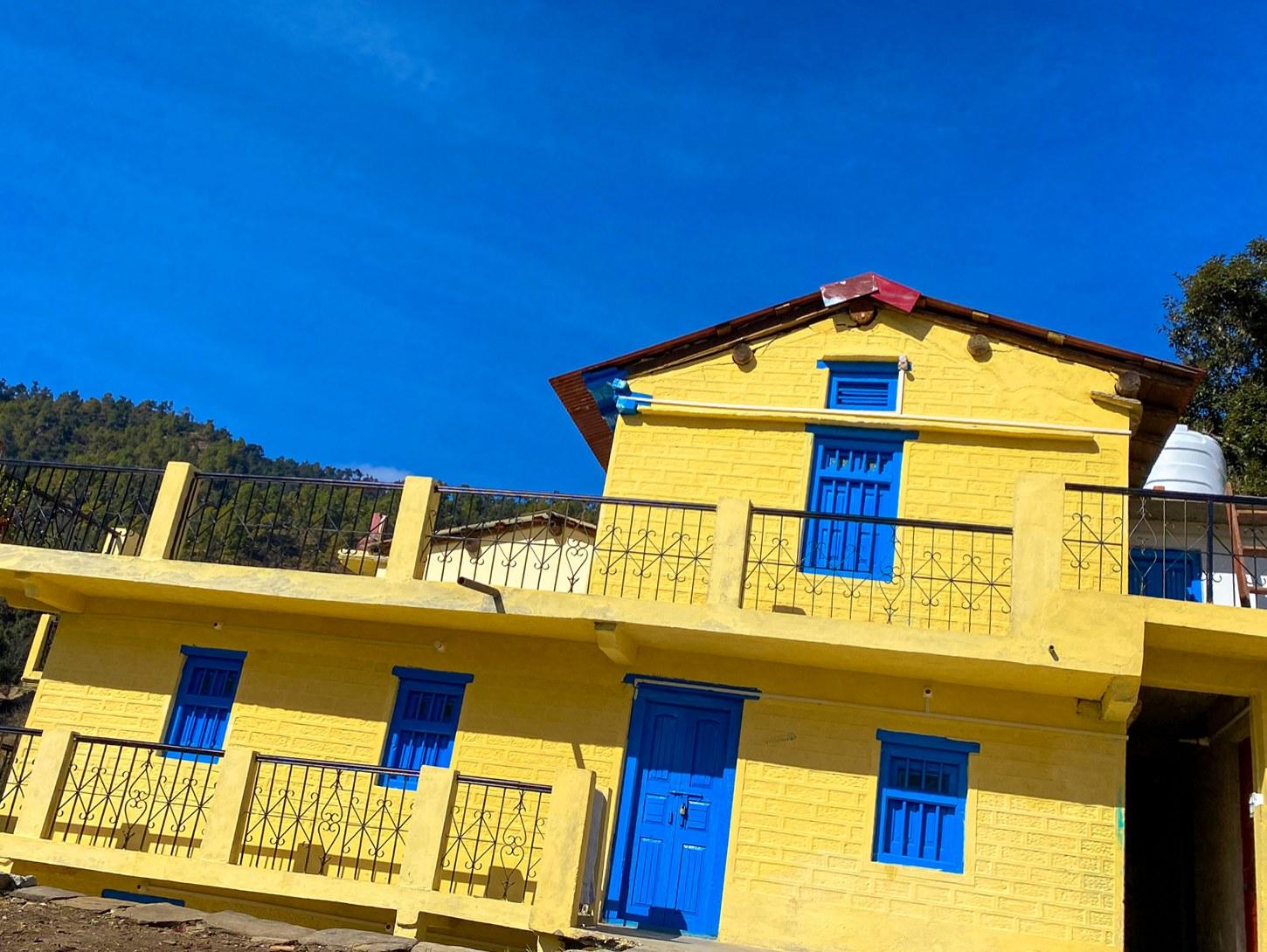
And then the wedding. To have the whole family back under that roof, after so many years scattered and away, in a house freshly renovated and dressed for the occasion — it was as fulfilling a thing as I have known. The appreciation on everyone's faces was real, unforced, the kind you could never stage. The house had not merely been saved; it had been handed back to the family that built it, ready for whatever the next hundred years might bring.
That, in the end, was the whole point of it. Not the paint, or the plumbing, or the new terrace, good as they all are — but a legacy kept, a home brought back from the very edge, and a family given a reason, and a place, to come home to. Everything we do here now, every guest we welcome through that door, rests on that rebuild — and on the people who simply refused to let the old house fall.
And so when a guest now settles onto that terrace at dusk, or wakes to the light in one of those rooms, they are resting inside a small act of defiance — a hundred-year-old house that was very nearly lost, and wasn't. We don't say all this to them, of course. But it is there, in every sound wall and every warm corner, for anyone who cares to feel it — and it is, quietly, the truest thing this house has to offer.
About the author
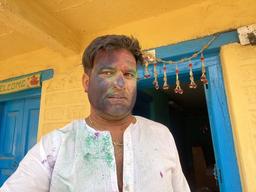
Manohar Negi
Owner & host
Manohar grew up in these hills and never really left. A photographer by craft and a host by heart, he turned the family home at Kunja into a place to share — and most of the frames you see across this site are his.
More about Manohar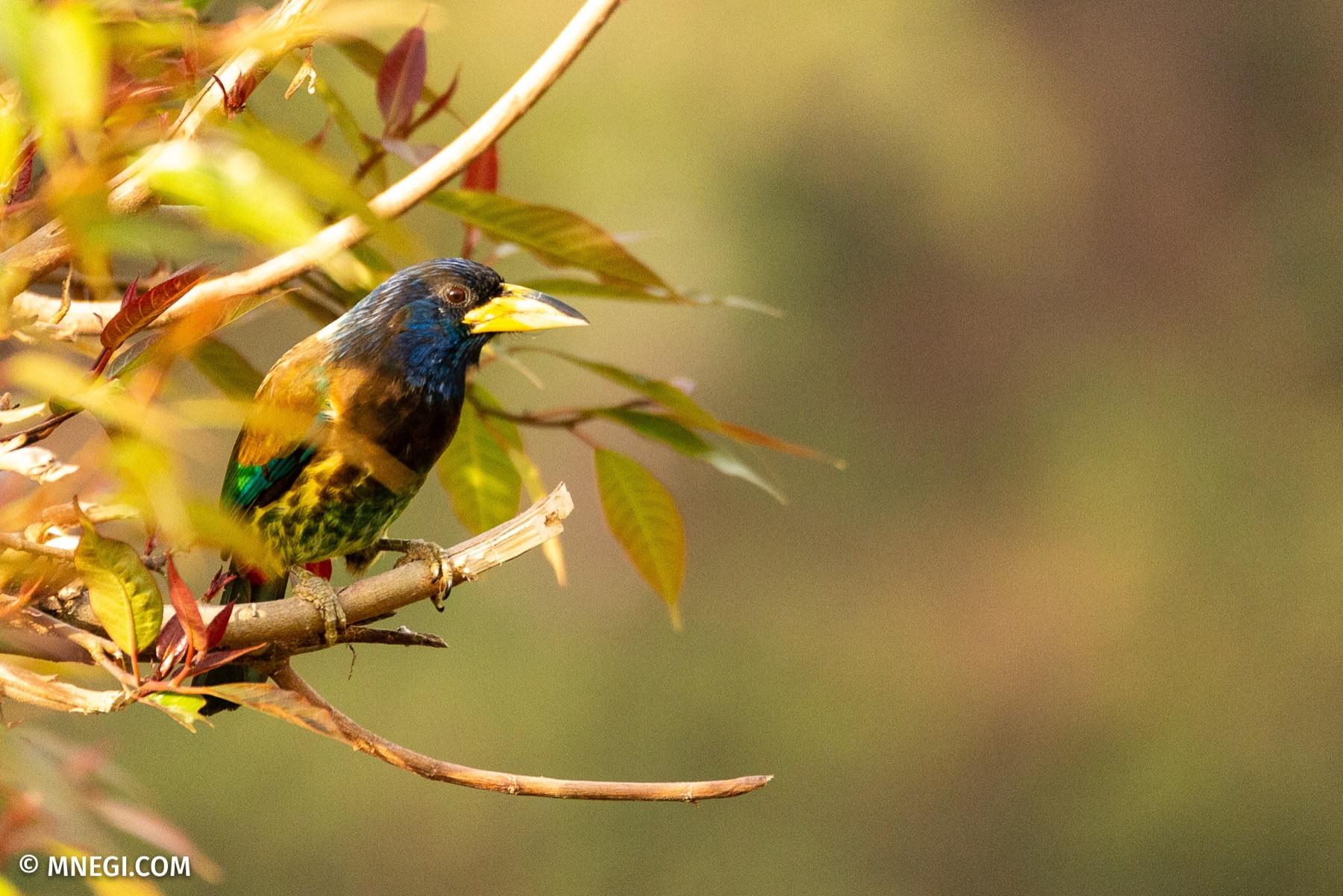

Keep reading
Related pieces
 Connectivity
The road that brought it home
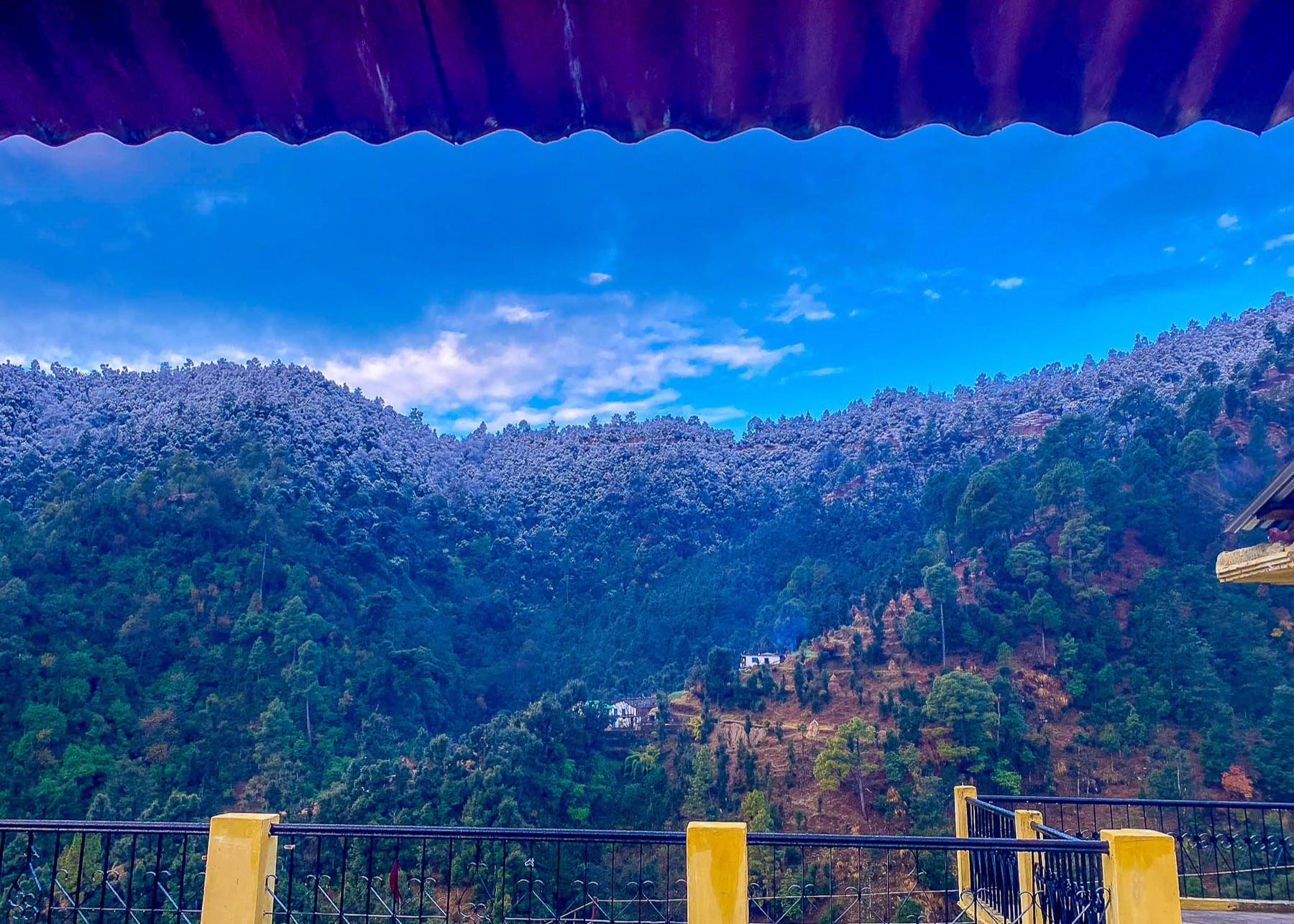
None of the rebuilding would have been possible without something far more basic than money or labour: a road — and the steady flow of goods it finally let through.
Read it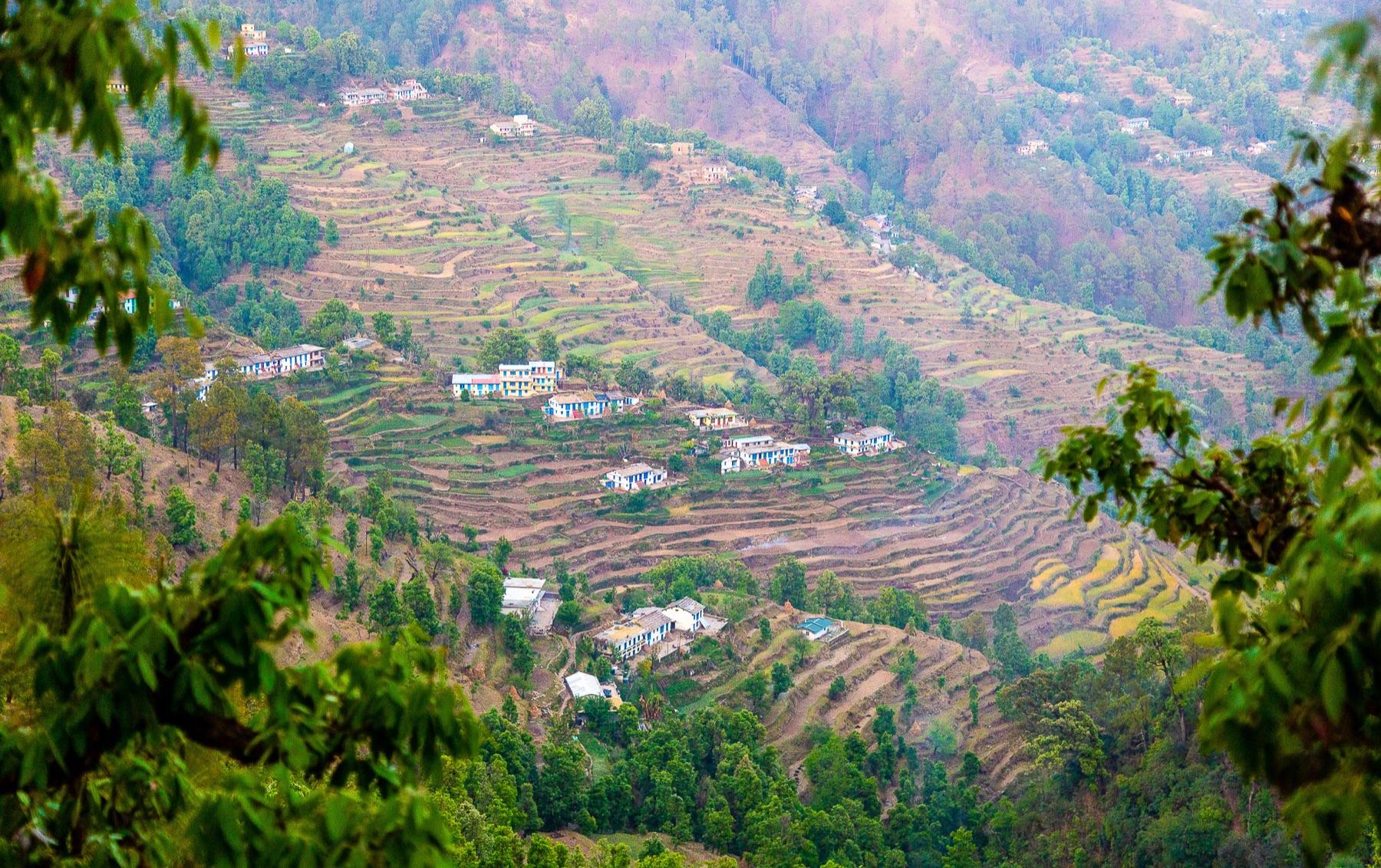 Family
The day I first came to Kunja
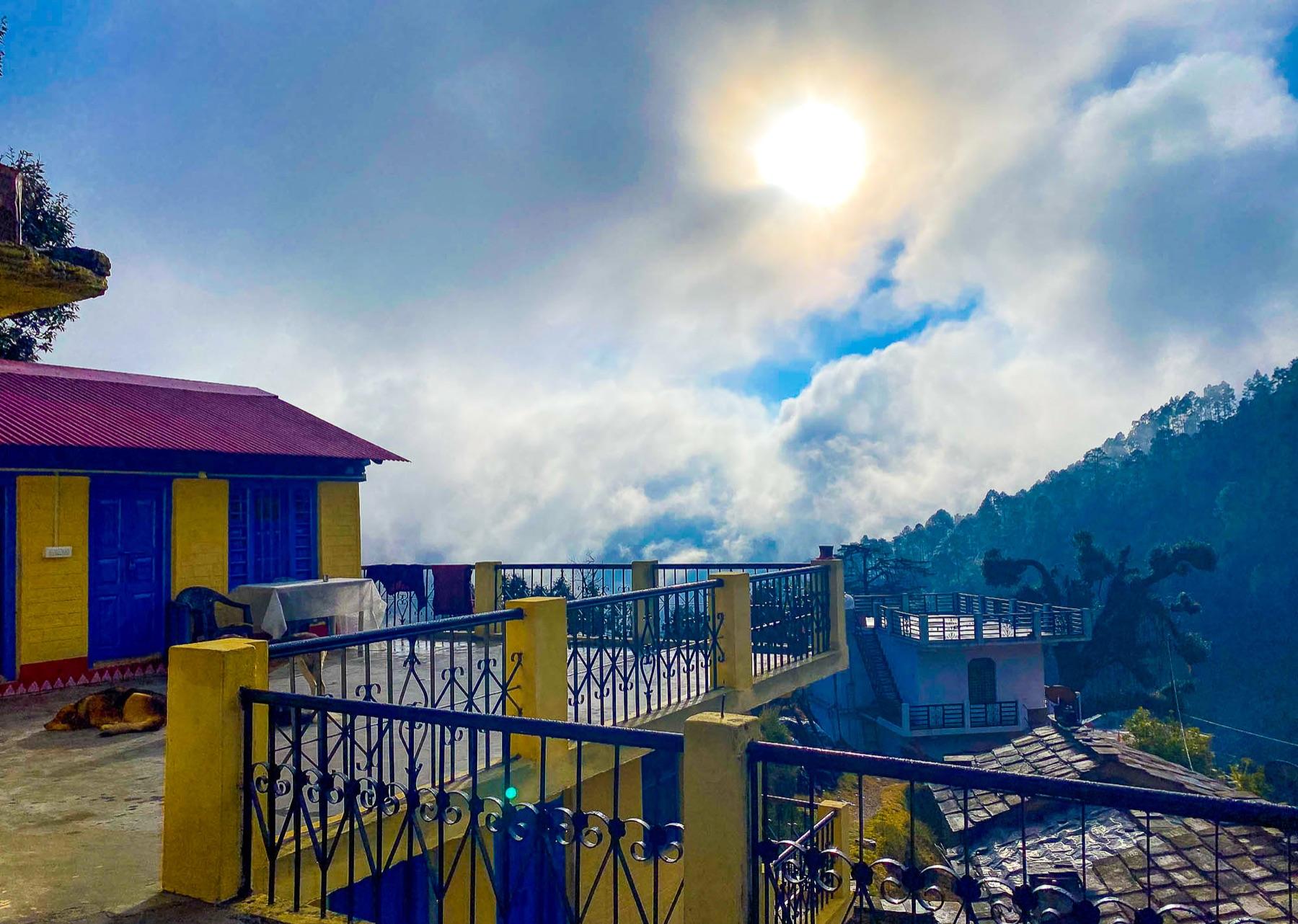
We were married on the 25th of November, 2009. I had never once seen the house I was about to call home — and the journey to it is still one of the longest of my life.
Read it The Ritual
A lifetime of comings and goings
On the small ritual that has welcomed and blessed every guest of these hills for as long as I can remember — and what it has meant to grow up inside it.
Read it
Comments
No comments yet — be the first to share a thought.