
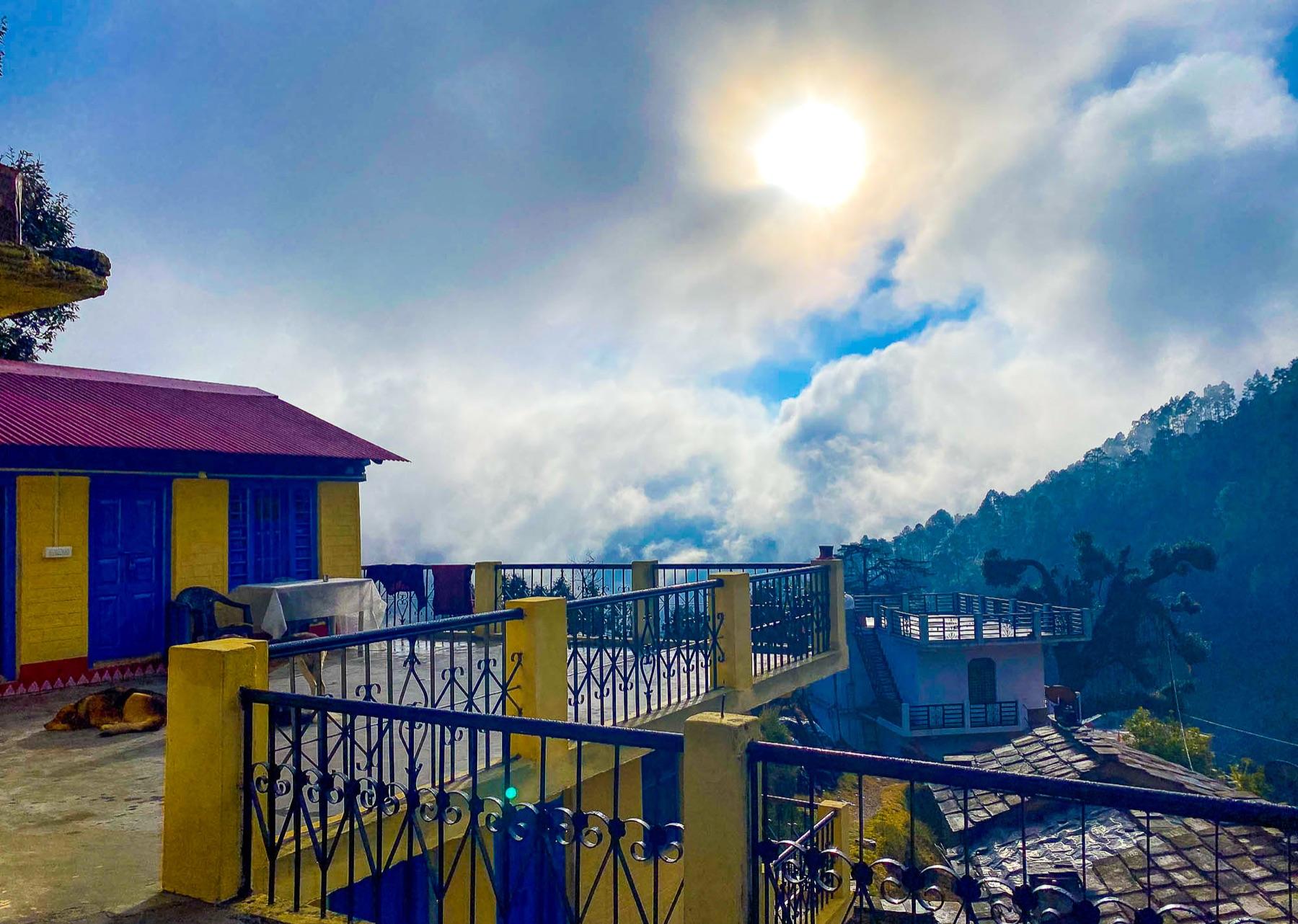
2021
The road that brought it home
None of the rebuilding would have been possible without something far more basic than money or labour: a road — and the steady flow of goods it finally let through.
Back to the journal
Contents
None of the rebuilding would have been possible without something far more basic than money or labour: a road. Before there was a road, there was barely a way home at all — and the story of how that changed is, in many ways, the story of how Kunja Village Homestay came to exist.
This is, then, a small tribute to an unglamorous thing — a rough, unpaved track up a hillside — and to the people who willed it into being. Without it, there would be no homestay, no homecoming, and very little story to tell. With it, the rest of what follows on this site — the rebuilt house, the rooms, the welcomes — became, for the first time, possible at all.
The road that started it all
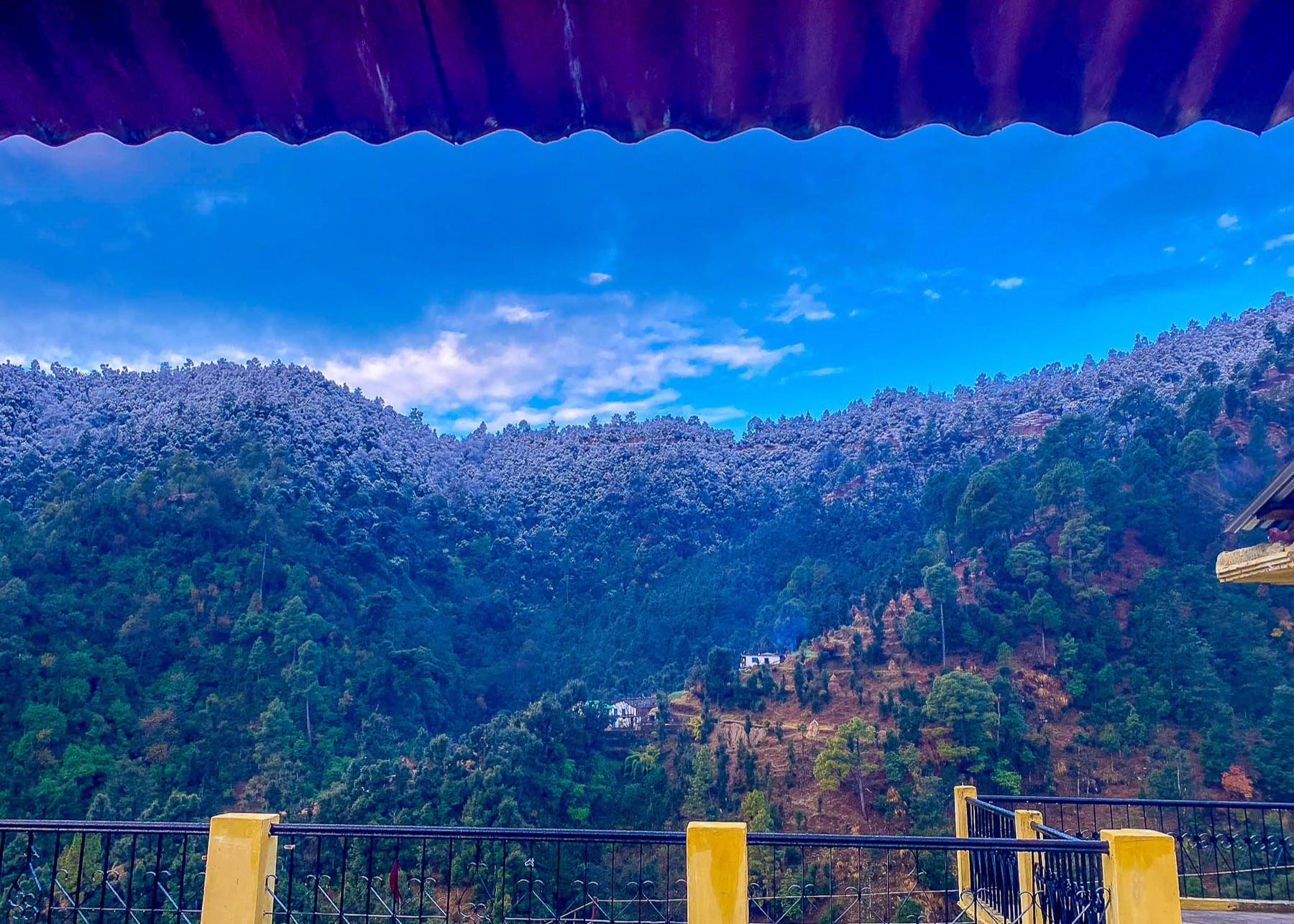
Until 2021, our village wasn't joined to the rest of the world by a proper road — so the people here decided to carve one themselves. That road is the reason we could come home at all: the reason Kunja Homestay was even possible.
It began, as so many good things in a village do, with one person willing to start. The late Puri Bu went from household to household, taking the consent of every family — sounding out who would be willing to contribute, and how much, to a road none of them yet had. Only once he had gathered substantial commitment, and with it the confidence that the whole village was truly behind the idea, did he move on to the harder business of planning and building it.
It was not a simple thing to ask. These are not wealthy households, and a road is an enormous, uncertain undertaking for a village to fund from its own pockets, with no guarantee and no one above to help. That so many said yes — that Puri Bu could go from door to door and come away with real commitment — says as much about the village as it does about him. People here understood, perhaps better than anyone, exactly what a road would be worth.
What followed was months of hard, shared work — a kachhi road, an unpaved track picked along the contours of the hillside, cut by hand and by hired machine where the money stretched to it. It was rough then, and it is rough still; a kachhi road is no highway, and the hill is forever trying to take it back. But it was a road where there had been none, and that made all the difference in the world.
Life before the road
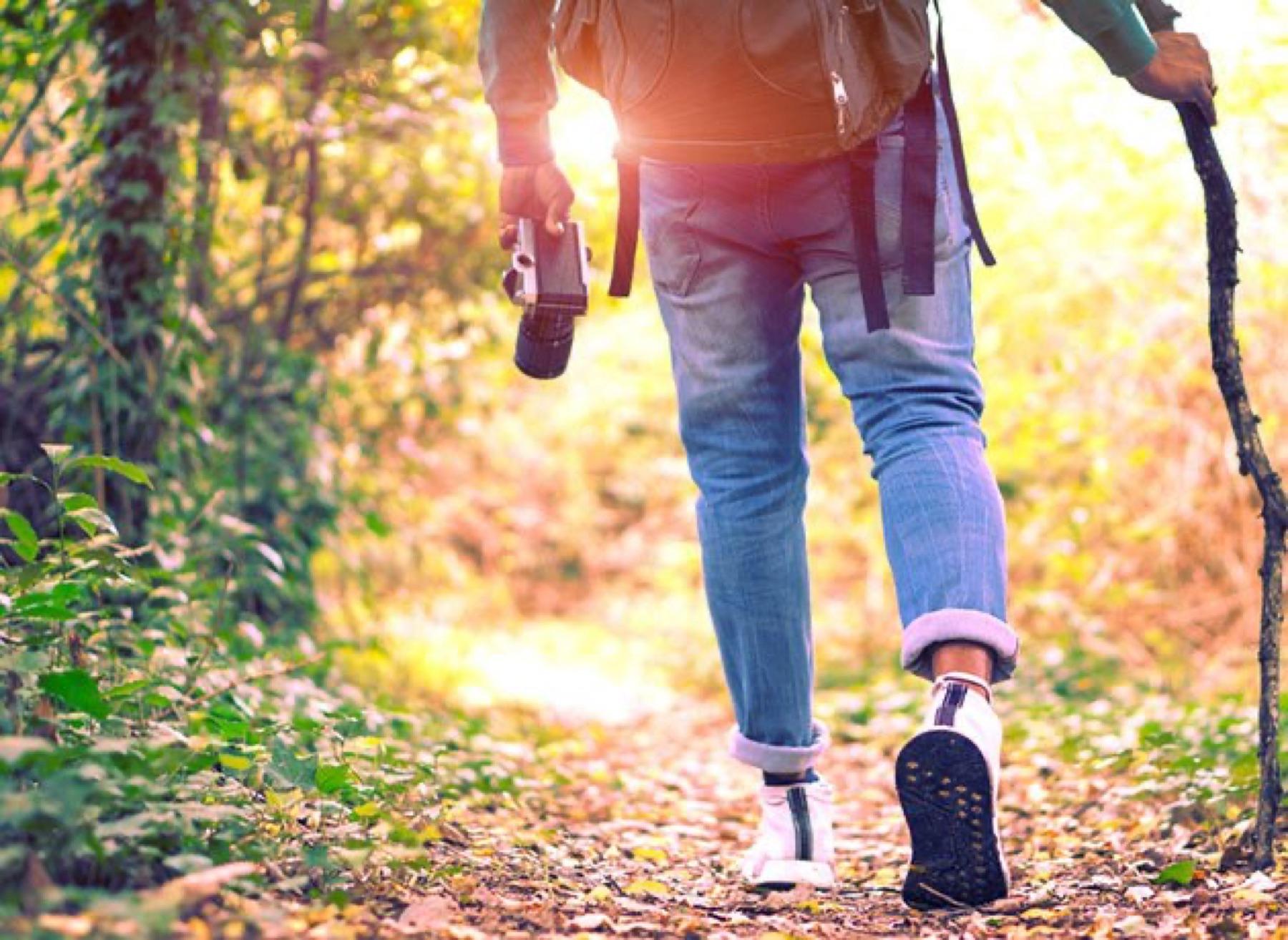
It is hard, now, to convey how much that road changed. Before it, life here was hectic in a way that's difficult to picture. Nothing came up by vehicle; everything — and everyone — made the last stretch on foot. For the people who live here, that was simply the ordinary shape of every day. For those of us returning from the plains, reaching home was less a homecoming than a small expedition.
The walk is around five or six kilometres: first the long uphill from Panuwanaula to Mirtola, and then the descent from Mirtola down to Kunja. You did it carrying whatever you needed — on your head, across your shoulders, in both hands — and a sack of cement or a month's supplies makes that climb a different thing altogether. A road is the easiest thing in the world to take for granted, right up until you have hauled your own life up a hillside on your back.
And it wasn't only the carrying. Before the road, an emergency — someone taken ill, a thing urgently needed — meant the same long walk, in the dark or the rain if that was when it came. The old and the very young felt it most. A village without a road has to be largely self-sufficient, because everything beyond it is hours away on foot. That self-reliance is a fine thing in its way, and the hills are full of it — but it is also, quietly, one of the reasons so many families eventually give up and move down to the plains.
There was a rhythm to it, too. The bigger needs waited for a planned trip down — a day given over to walking to Panuwanaula, doing the buying, and walking it all back up before dark, the load heavier on the return than on the way down. You learned to think in terms of what you could carry, and to want less than a person with a road at their door ever has to. It was a leaner, harder way of living, and the road, when it came, did not make us soft so much as it gave us back our time.
What the road carried
In the months of the rebuild, that rough track carried an astonishing amount. Cement and steel and timber for the bones of the house; the furnishing and bedding we'd brought from as far as Bangalore and Haldwani; the fittings, the paint, the kitchen, the hundred small things a home needs — all of it came up the new road, load by load, where before not a single sack could have arrived by anything but a back and a pair of shoulders. The road and the rebuild were really one project: you could not have had the house without first having the way to reach it.
Some loads we will not forget. The long beams for the terrace; the bathroom fittings that simply could not have been head-loaded up a hillside; the beds and mattresses that arrived, against the odds, unmarked. Each one that made it to the top felt like a small victory over the geography of the place — proof that the road was doing exactly what we had hoped it would.
Getting it up the hill
Once the road was in, loading and pickups became the heart of the operation. Almost everything had to be ported up from Haldwani, and our office down there became, in effect, an in-transit warehouse — the place that received every Amazon delivery and every pickup before it made the long journey up to Kunja.
It became something none of us had planned for: a depot, a holding bay, a clearing-house for everything that arrived for the house. Deliveries the world assumes end at a doorstep in fact ended there, in town, and began a second, harder journey — loaded onto a pickup, driven the long road up, and unloaded at the top. We measured progress not by what had been ordered, but by what had actually arrived at Kunja, which was a very different and much slower number.
When the rain came
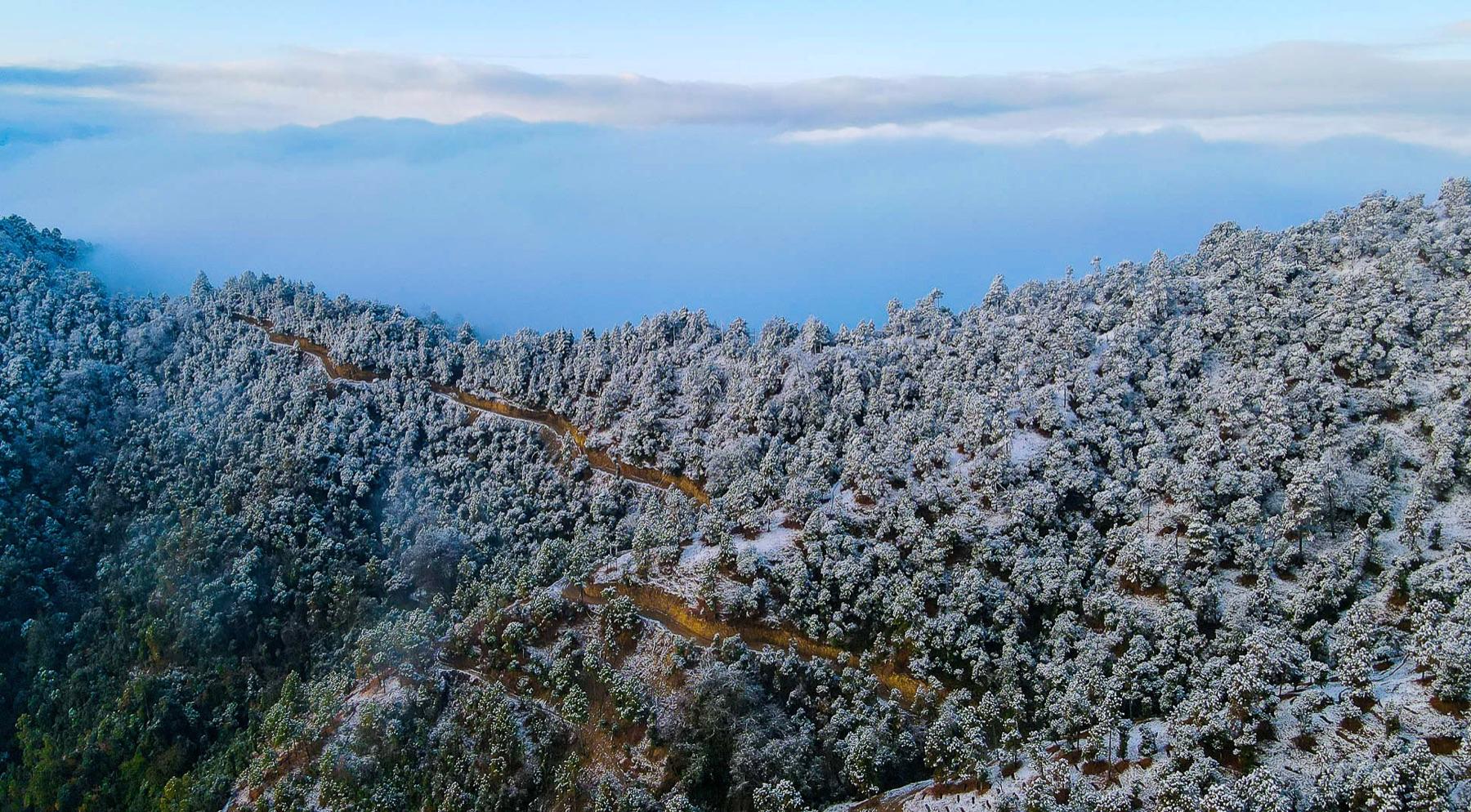
The rain disrupted the flow again and again, washing at the track and stalling the trucks — but it never quite stopped us. The road held, mostly, and the work kept moving.
The monsoon, though, was the hardest test of all. The new road would wash out again and again, and more than once we had to go down ourselves and put the whole movement of goods on hold at Panuwanaula, waiting for the track to dry enough to pass. There were days the pickups simply could not get through the mud and slush near the village, and the goods had to be dumped a few kilometres short — and then carried the rest of the way, the old way, by hand. The road was new, and the hill had not yet quite agreed to it.
We learned its moods that first monsoon — which stretches turned to soup after a night's rain, which culverts overflowed, how long to wait before sending a pickup up. It became a kind of negotiation with the weather: load when the sky allowed, hold when it didn't, and accept that some days the hill simply won and the goods waited at Panuwanaula another day. It taught us a patience the plains never ask for.
The limits of 'online'
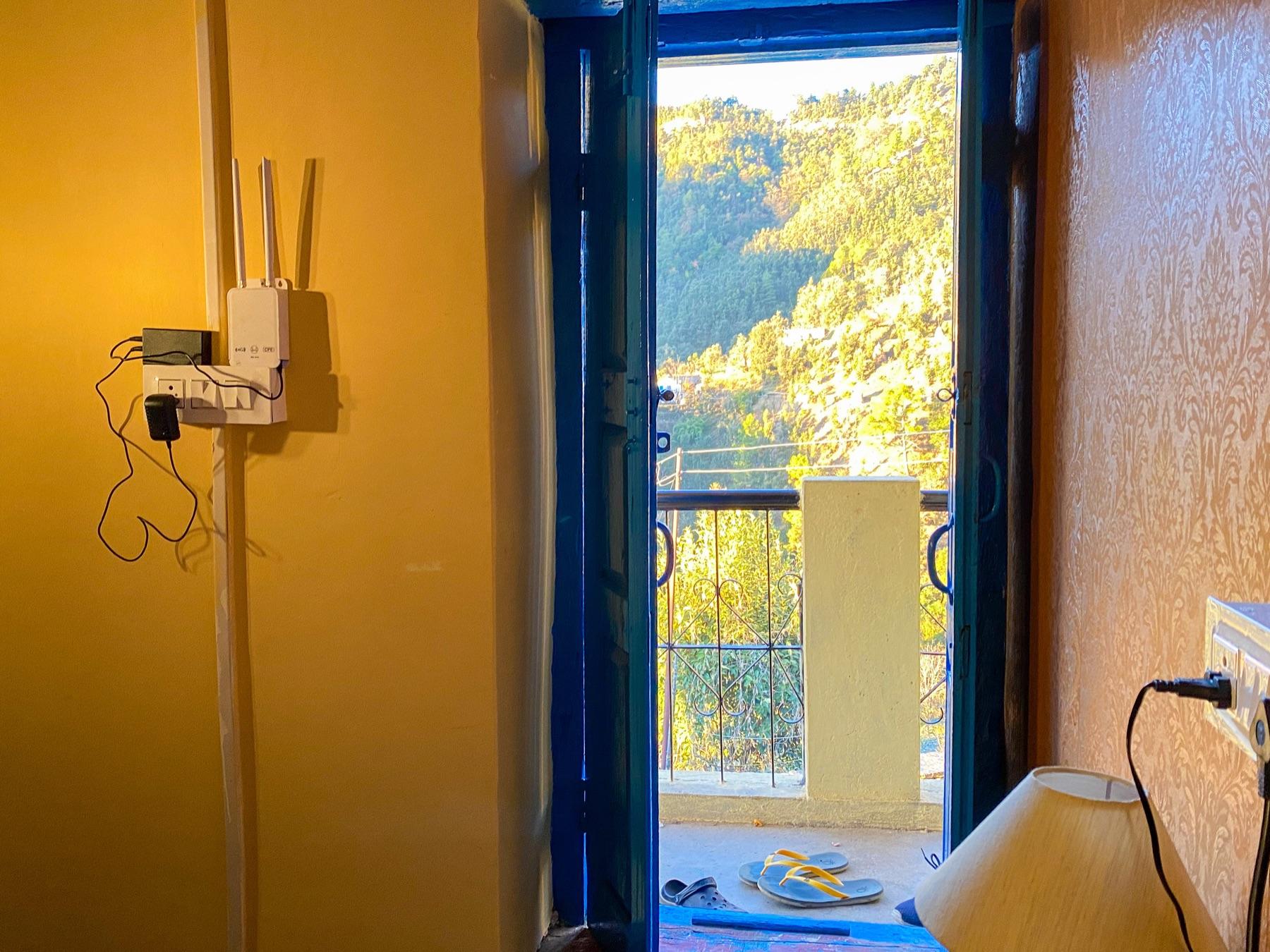
Online delivery, for all its reach, still ran out of road before it reached us. The nearest these services would come was Almora — itself some 40 to 45 kilometres away. Anything 'next-day' was, for us, a polite fiction.
The local shops
So the local shops and stores did the quiet, essential work — most of all the market at Panuwanaula, our nearest. For everything the long supply chains couldn't manage, Panuwanaula did: the small daily needs, the things forgotten, the gaps no truck from the plains would ever fill.
Keeping it open
A kachhi road is not built once and forgotten; it has to be coaxed through every monsoon and patched after every slip. The village that made the road also keeps it — clearing the slides, shoring up the edges, filling the ruts — because a road in these hills is less a thing you own than a thing you tend. It is, in its way, an ongoing act of the same cooperation that built it: a standing reminder that what the village made together, the village must keep together. Use a road, and you forget it; build one, and you never can.
The first time we drove up
There is a particular feeling — I am not sure I can do it justice — the first time you drive all the way up to a house you have only ever walked to. The hill that had always meant a sweating, breathless climb slid by under the wheels in minutes. Things that had been unthinkable to bring up — a wardrobe, a water tank, a sofa — became simply a matter of a careful load and a slow drive. We had spent our whole lives carrying this place up on our backs; to arrive at it, for once, sitting down, felt almost unreal. For the elders especially — those who had walked that hill more times than anyone could count, carrying children and grain and years up and down it — to be driven up now, slowly, was a kind of homecoming all its own.
Why a road matters here
People who have always had roads find it hard to grasp what one means in a place that never did. It is not about convenience. It is about whether a place can keep its people at all. A village cut off by a hard day's walk slowly empties — the young leave for school and work and don't come back, the houses shutter, the fields go to grass. A road doesn't reverse that on its own, but it gives a village a fighting chance: a reason, and a means, to stay, or to return. Ours came late, but it came — and we are one of the families it brought home.
It is strange to write a whole piece in praise of a road. But this one gave us far more than a way to move cement and beds and groceries. It gave a scattered family a way back to a house it loved; it gave the village a thread to a world it had always been cut off from; and it turned a near-impossible dream of a homestay into something we could actually build. Every guest who now drives up to our door does so on a road that the people of this village — led by one quiet, generous man — cut out of the hillside with their own hands and their own money. We don't forget that. We can't.
About the author
Manohar Negi
Owner & host
Manohar grew up in these hills and never really left. A photographer by craft and a host by heart, he turned the family home at Kunja into a place to share — and most of the frames you see across this site are his.
More about Manohar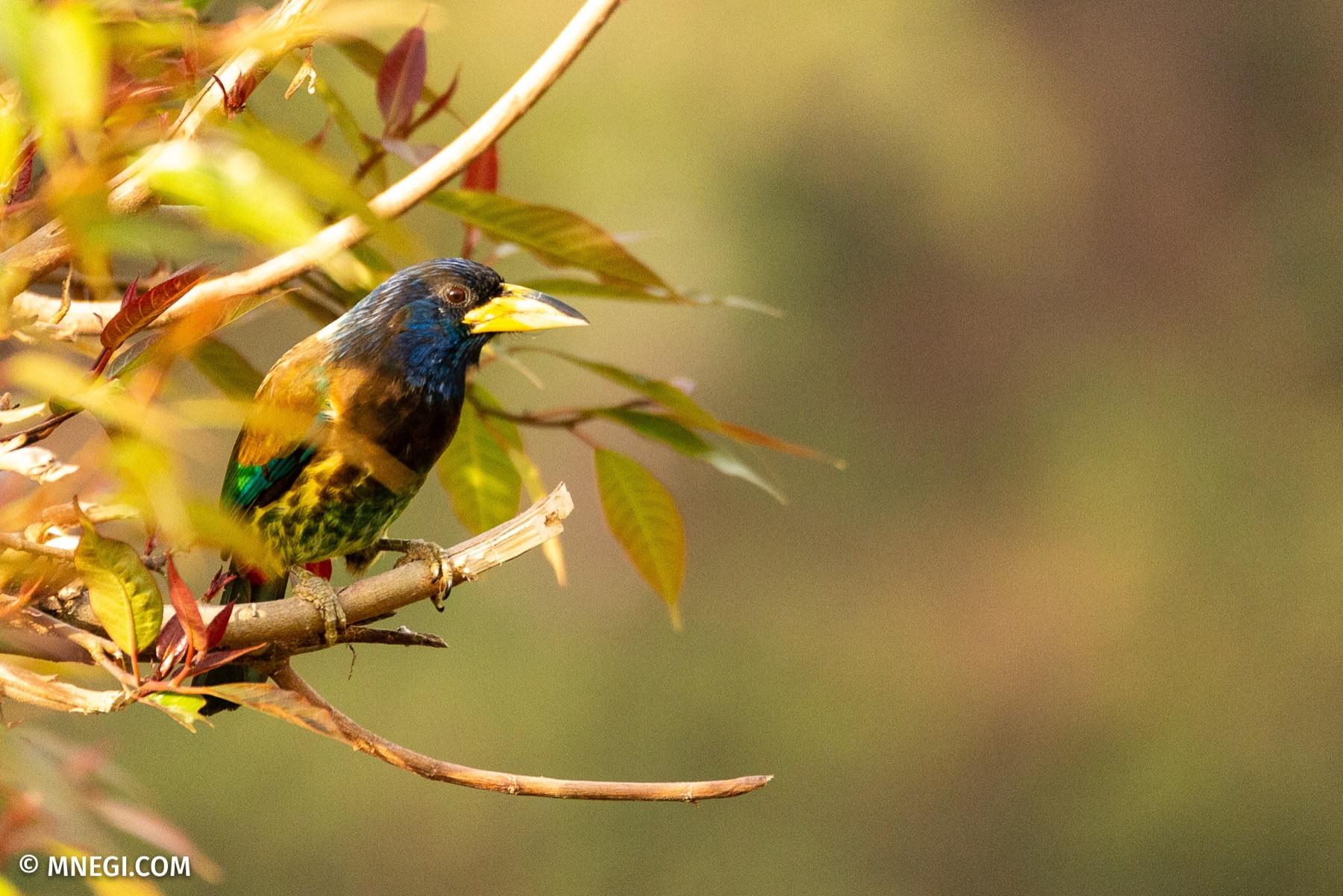
Keep reading
Related pieces
 Renovation
Restoring a legacy, not just a home
When we set out to do up the old house, the goal was never just a comfortable place to stay — it was to restore a legacy, and bring a hundred-year-old home back to life.
Read it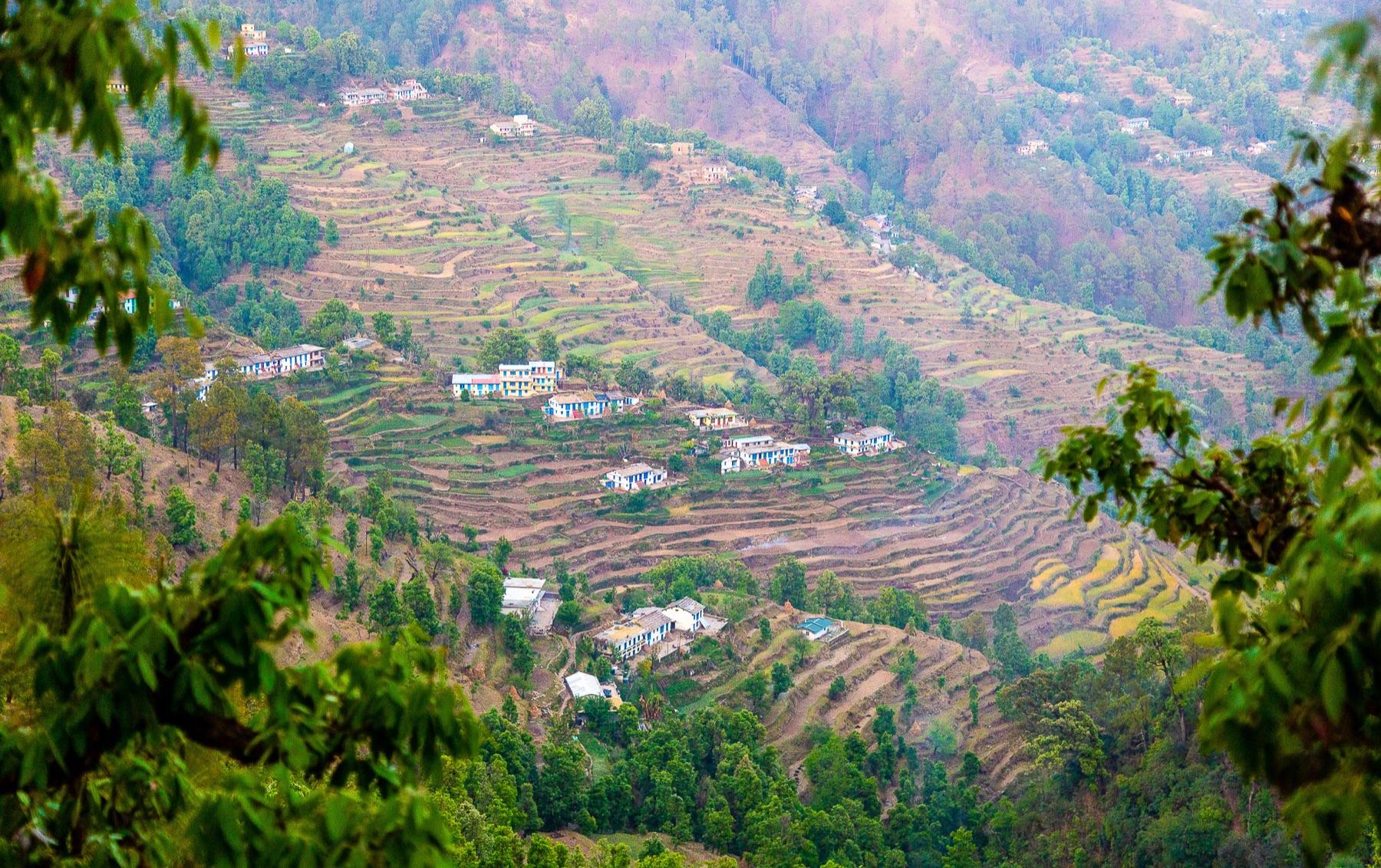 Family
The day I first came to Kunja
We were married on the 25th of November, 2009. I had never once seen the house I was about to call home — and the journey to it is still one of the longest of my life.
Read it The Ritual
A lifetime of comings and goings
On the small ritual that has welcomed and blessed every guest of these hills for as long as I can remember — and what it has meant to grow up inside it.
Read it
Comments
No comments yet — be the first to share a thought.