
May 2021
Bhatt ke dubke, jholi bhaat, aloo ke gutke
A short, hungry tour of the Kumaoni table — dish by dish, the way we'd point it out to you with an empty plate in front of you.
Back to the journal
Contents
- 01Aloo ke gutke — the one we grew up on
- 02Bhatt ke dubke — the slow one, for the cold
- 03Jholi bhaat — the everyday midday plate
- 04Bhang ki chutney — the most Kumaoni thing on the table
- 05Hara namak — the green salt
- 06Pahadi raita — the one people ask for the recipe of
- 07Gahat ki daal — dal and medicine both
- 08Katki chai — chai you bite and sip
- 09What goes with what
- 10How a hill meal is eaten
- 11The guest favourite
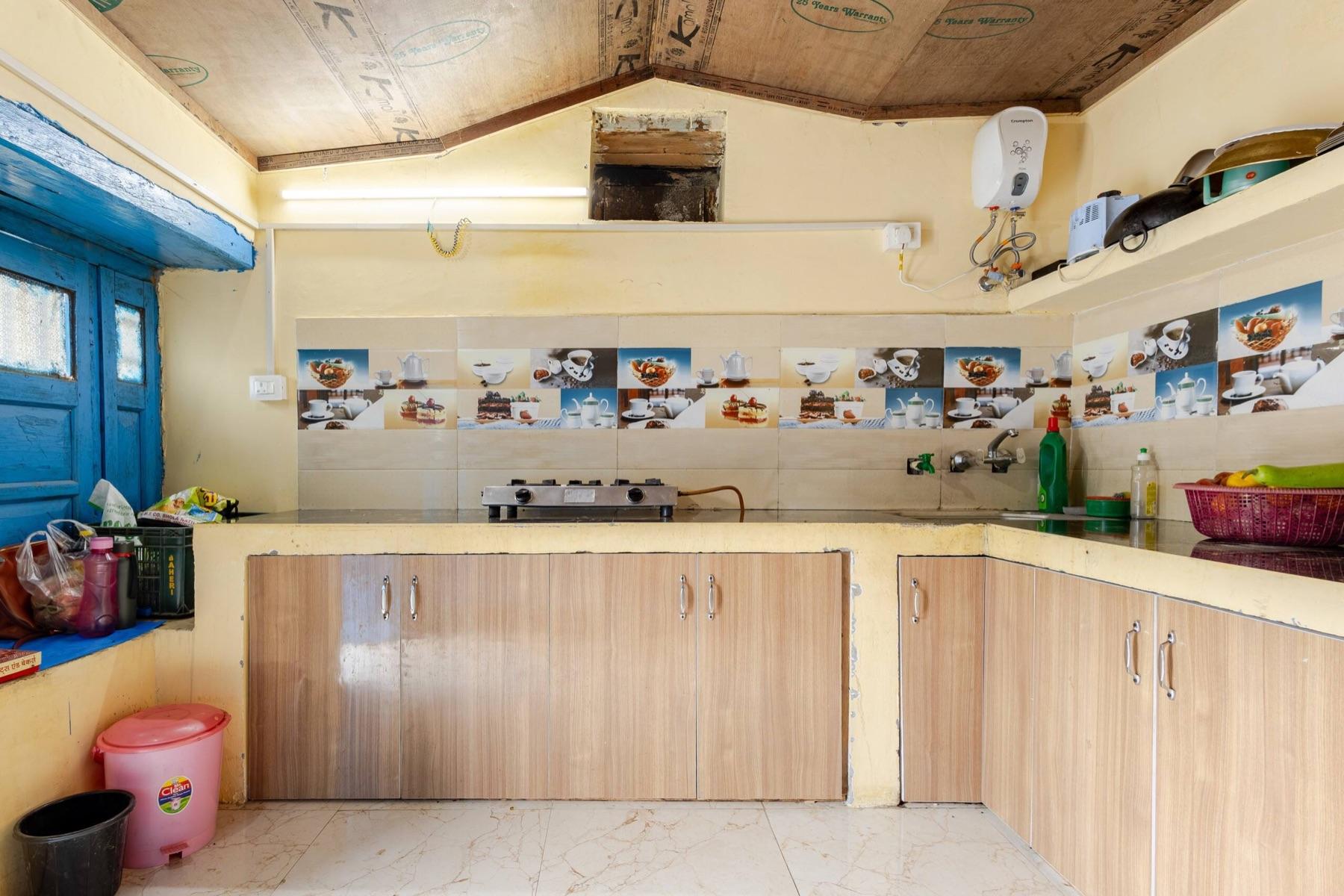
Ask me for the menu at Kunja and I'll struggle, because there isn't one. What there is instead is a table — a rotating, seasonal, unwritten table that a hill kitchen has kept for generations, changing with what the garden gave that morning and what the weather is asking for. So rather than a menu, let me give you a tour: a walk down the Kumaoni table, dish by dish, the way I'd point things out if you were sitting across from me with an empty steel plate.
None of it is fancy. That's the first thing to say, and the truest. This is home food — the food of a pahadi household, cooked on a gas ring or a wood fire, eaten with the hands, pressed on you until you protest. Some of these dishes you'll find in every Kumaoni home; a couple are rare enough that I've eaten them only a handful of times in my life. All of them taste of these hills, because that is quite literally where they come from.
Aloo ke gutke — the one we grew up on
If there is one dish that is the sound of my childhood, it's this one. Aloo ke gutke — boiled potatoes, peeled and cubed, tossed in mustard oil with cumin, red chilli, coriander seed and turmeric, finished with a scatter of fresh coriander and, if you like, a squeeze of the big hill lemon. It is the most ordinary thing in the world and I have never tired of it. It's quick — twenty minutes if the potatoes are already boiled — it's forgiving, and it goes with everything or with nothing at all. Eaten hot off the pan with a cup of tea on a cold morning, it needs no accompaniment.
What makes ours worth the trip is the potato itself: small, waxy, homegrown hill potatoes that hold their shape and carry a sweetness the plains varieties have bred out. Give the recipe a market potato and it's fine. Give it a Kunja potato dug that week, and it becomes the dish I'd feed you first, before I'd even learned your name.
There's a version with jakhiya, too — the tiny wild mountain seed that crackles like mustard when it hits hot oil and gives the potatoes a nutty little pop — and a version with just chilli and salt for when you want it plain. Every house tilts the recipe its own way. Ours leans on the lemon and a heavy hand of coriander, but honestly, the potato does most of the work, and the cook mostly stays out of its way.
Bhatt ke dubke — the slow one, for the cold
This is the deep end of the Kumaoni table, and I'll be honest with you: I've eaten it only rarely. Dubke is made from bhatt, the little black soybean of the hills — soaked, ground to a wet paste, then slow-cooked down with spices into a thick, dark, almost gravy-like dish you pour over rice. It is real cold-weather food, dense and warming, the kind of thing the body wants when there's frost on the terraces.
But it asks a lot of the cook: the soaking, the grinding, the patient stirring so it doesn't catch, the long low heat. It isn't an everyday dish and was never meant to be — it's the food of a winter afternoon when someone has the time and the will to make it. When it appears on the table, you know somebody loved you enough to spend half a day on it.
Jholi bhaat — the everyday midday plate
If dubke is the rare treat, jholi bhaat is its opposite: the plain, dependable, midday meal of the hills. Jholi — you'll also hear it called jhoi, or simply kadhi — is a soupy, gently sour curry of buttermilk or curd thickened with a little gram flour, turned yellow with turmeric and tempered with cumin and chilli. Poured over a mound of steamed rice, it is the definition of easy: easy to cook, easy on the stomach, easy on a warm afternoon when you don't want anything heavy.
I'd guess some version of it is eaten in half the homes across Kumaon on any given day. It's not a dish anyone boasts about, and that's precisely its charm — it's what you eat when you're just eating, comfortably, at home.
Bhang ki chutney — the most Kumaoni thing on the table
Before anyone raises an eyebrow: bhang here means the seed of the hemp plant, roasted and ground — a culinary ingredient, not an intoxicant, with none of that effect at all. What it has instead is a wonderful nutty, toasty flavour and a fine crunch, and ground into a chutney with green chilli, coriander, a little lemon and salt, it becomes the single most Kumaoni thing you can put on a plate.
It goes with anything, in any season — a spoonful alongside rice and dal, smeared on a roti, eaten with a slice of cucumber. The crunch of the roasted seed is the whole magic of it. If you try one new thing at our table, I'd want it to be this.
Hara namak — the green salt
Hara namak — 'green salt', also called pahadi namak — is one of those hill inventions that sounds like nothing and turns out to be unforgettable. It's a coarse, fragrant pounding of salt with green chilli, mint, fresh coriander and a few spices, ground together on a stone until it turns a mottled green. You can serve it wet, fresh off the sil-batta, or dry it and keep it for days together.
What it's really for is fruit and vegetables: a slice of cucumber, a wedge of the sour hill lemon, a raw radish — dusted with hara namak, they become something you can't stop eating. It's the taste I most often catch guests trying to describe after they've gone home, and failing, because there is nothing quite like it anywhere else.
Pahadi raita — the one people ask for the recipe of
Raita you know — but not this one. The pahadi version is built on curd and grated cucumber like any other, and then it does something unusual: it's seasoned with mustard seed and a little fenugreek (methi) along with turmeric and salt, which gives it a faint, warm, mustardy bite a plains raita never has. It's cooling and tempting at once, and on a summer plate it's often the first thing to disappear. It's simple to make and impossible to stop eating, and it's the dish more guests ask me to write down for them than any other.
Gahat ki daal — dal and medicine both
Gahat — horse gram — is the hill pulse the elders swear by, credited with everything from dissolving a kidney stone to driving out a winter chill. Grown in our own terraces and cooked long and patient, it becomes a dense, dark, deeply savoury dal that goes beautifully with rice; cooked looser, it becomes ras, a thin warming soup you drink as much as eat when the cold sets in.
Alongside it on the hill table sits rajma — the famous kidney beans of these slopes — simmered slow until the gravy turns thick. Between gahat and rajma, a Kumaoni kitchen has its winter protein covered, and its winter cold half-cured — or so the old people will tell you, and I'm inclined to believe them.
Katki chai — chai you bite and sip
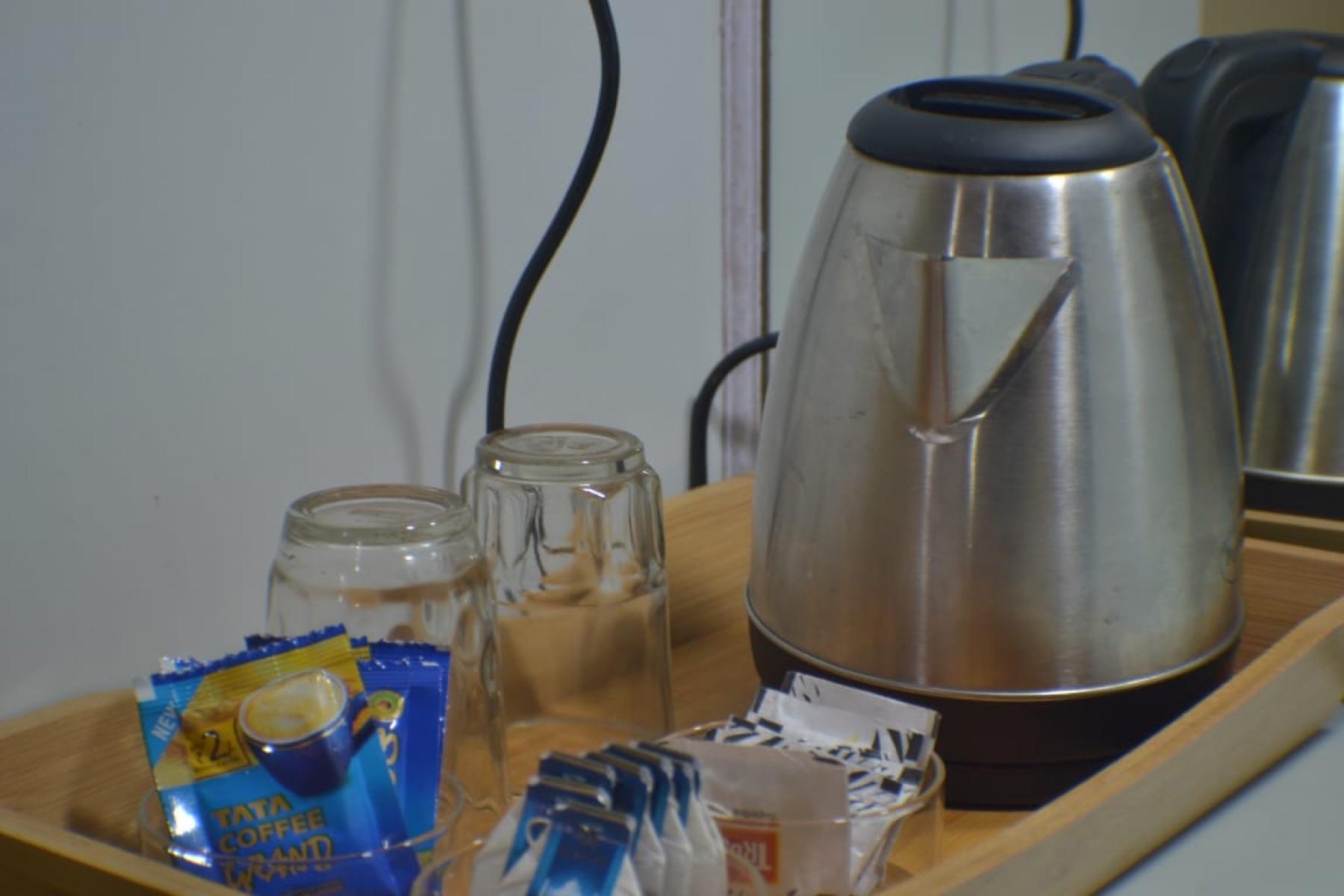
And to finish, something to drink — though 'drink' isn't quite the whole of it. Katki chai is tea taken the old hill way: brewed without sugar, and served alongside something sweet to bite — a lump of mishri (rock-sugar candy) or a cube of gur (jaggery) — so that you sip the plain hot tea and bite the sweet, and the two meet in your mouth rather than in the cup.
It's a small ritual, and a nice one. It slows the drinking down, it lets you taste the tea itself, and there's a companionable rhythm to it — the sip and the bite — that a pre-sweetened cup just doesn't have.
The table, at a glance
Aloo ke gutke
Homegrown potatoes, mustard oil & spice
Bhatt ke dubke
The slow, dark winter soybean dish
Jholi bhaat
Soupy buttermilk kadhi over rice
Bhang ki chutney
Roasted hemp-seed chutney; the crunch
Hara namak
Green salt of chilli, mint & coriander
Pahadi raita
Curd & cucumber, mustard-tempered
Gahat ki daal
Horse gram; dal, and a winter soup
Katki chai
Sugarless tea, bitten with mishri or gur
What goes with what
Pairings are half the pleasure of a hill meal, and most of ours are the obvious, time-worn ones — obvious because they're right. Jholi with bhaat, always; the two were made for each other. Rajma with chawal, needing no explanation anywhere in north India. Madua ki roti — the dark, nutty finger-millet flatbread — with a generous pool of ghee melting into it.
And then the seasonal marriages, the ones the calendar decides: cucumber with hara namak in the monsoon; saana hua nimbu — the big hill lemon 'mashed' with spice — when the galgal are in; gahat ki daal against the cold; fresh malta, the hill orange, eaten off the tree; jhingora ki kheer, a pudding of the little hill millet, for something sweet. And running through all of it, in every season, a spoon of bhang ki chutney, because it never met a plate it didn't improve.
What the season lays alongside
Saana hua nimbu
Hill lemon mashed with spice
Malta
The hill orange, off the tree
Cucumber & hara namak
The monsoon's simplest pleasure
Lai ki sabji
Tender mustard greens
Palak ki sabji
Garden spinach, cut that morning
Spring onion sabji
A quick green of the cool months
Pinalu ki sabzi
Taro, cooked soft and spiced
Jhingora ki kheer
Little-millet pudding, for sweet
How a hill meal is eaten
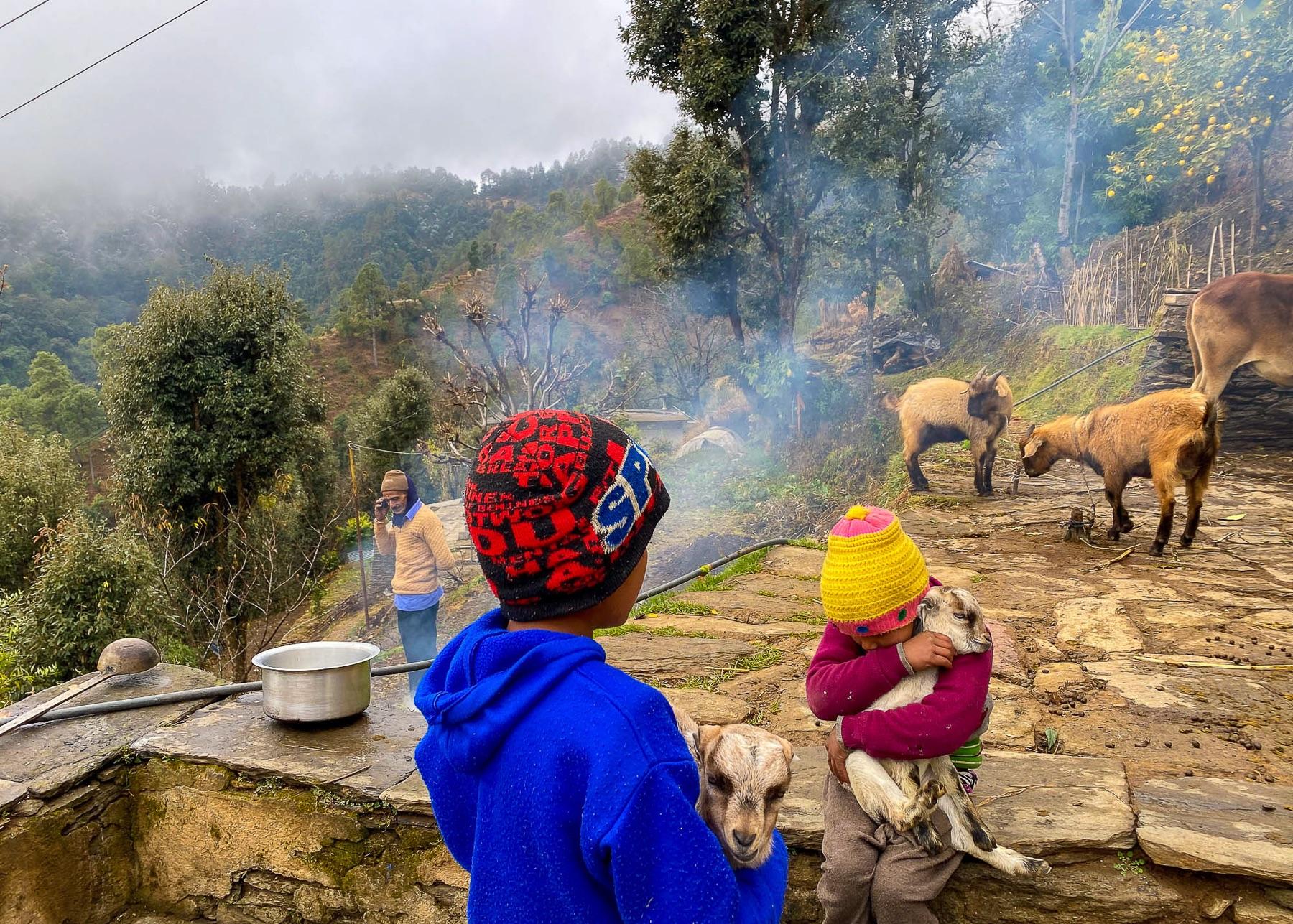
A word on the eating itself, because it matters as much as the cooking. Nothing here is plated prettily or brought out in courses. Everything arrives at once, on a single steel thali — the dal, the sabzi, the roti or rice, the chutney, the raita, a wedge of lemon — and you eat with your hands, mixing as you go, building each mouthful the way you like it. There's no right order and no ceremony. You sit where it's warm, close to the fire in winter or out on the terrace when the weather's kind, and you eat slowly, talking between mouthfuls, while someone hovers with the pot.
And the fire earns a mention of its own. A lot of this food still tastes best off a wood chulha — the roti puffed against the embers, the dal carrying the faintest smoke. Gas is quicker and we use it most days, but there's a reason the old cooking gives a flavour the new one can't quite match. Some of the taste of a Kumaoni plate is simply the taste of how it was cooked.
It is not, in other words, food built for a photograph. It's built for a full stomach and a long, unhurried sit. If you come expecting the arranged little portions of a restaurant, the thali may look plain at first glance — and then you taste it, and go back for more, and understand that plainness was never the same as poverty. A hill plate is modest on purpose and generous in fact.
The guest favourite
People sometimes arrive expecting something elaborate, and I always enjoy watching that expectation dissolve. Because the honest truth — the thing I've seen again and again — is that what guests end up loving most is the plainest food on the table. Not a showpiece dish; just a simple, fresh, home-cooked thali eaten in the right place. Aloo ke gutke and a hot roti. Jholi over rice. Cucumber and hara namak on a warm afternoon. The pahadi raita in cucumber season.
It's never the fanciest thing that wins people over here. It's the fact that it tastes of exactly where they're sitting.
And that, in the end, is what a Kumaoni table is really about — not a list of famous dishes, but a way of eating that stays close to the ground it grew on. The names are worth knowing, and I've given you the ones I can. But the real thing isn't any single dish; it's the whole modest, seasonal, generous habit of it — the garden deciding the menu, the fire doing half the flavouring, and someone always ready to put a little more on your plate.
That's the table, more or less — or at least the part of it I can point to from memory, because a real Kumaoni table is longer than any one person can name, and every household keeps a few dishes of its own. Come and sit at ours, and we'll walk you down it properly: a plate at a time, pressed on you whether you asked or not, until you've tasted the hills.
About the author
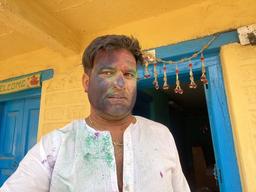
Manohar Negi
Owner & host
Manohar grew up in these hills and never really left. A photographer by craft and a host by heart, he turned the family home at Kunja into a place to share — and most of the frames you see across this site are his.
More about Manohar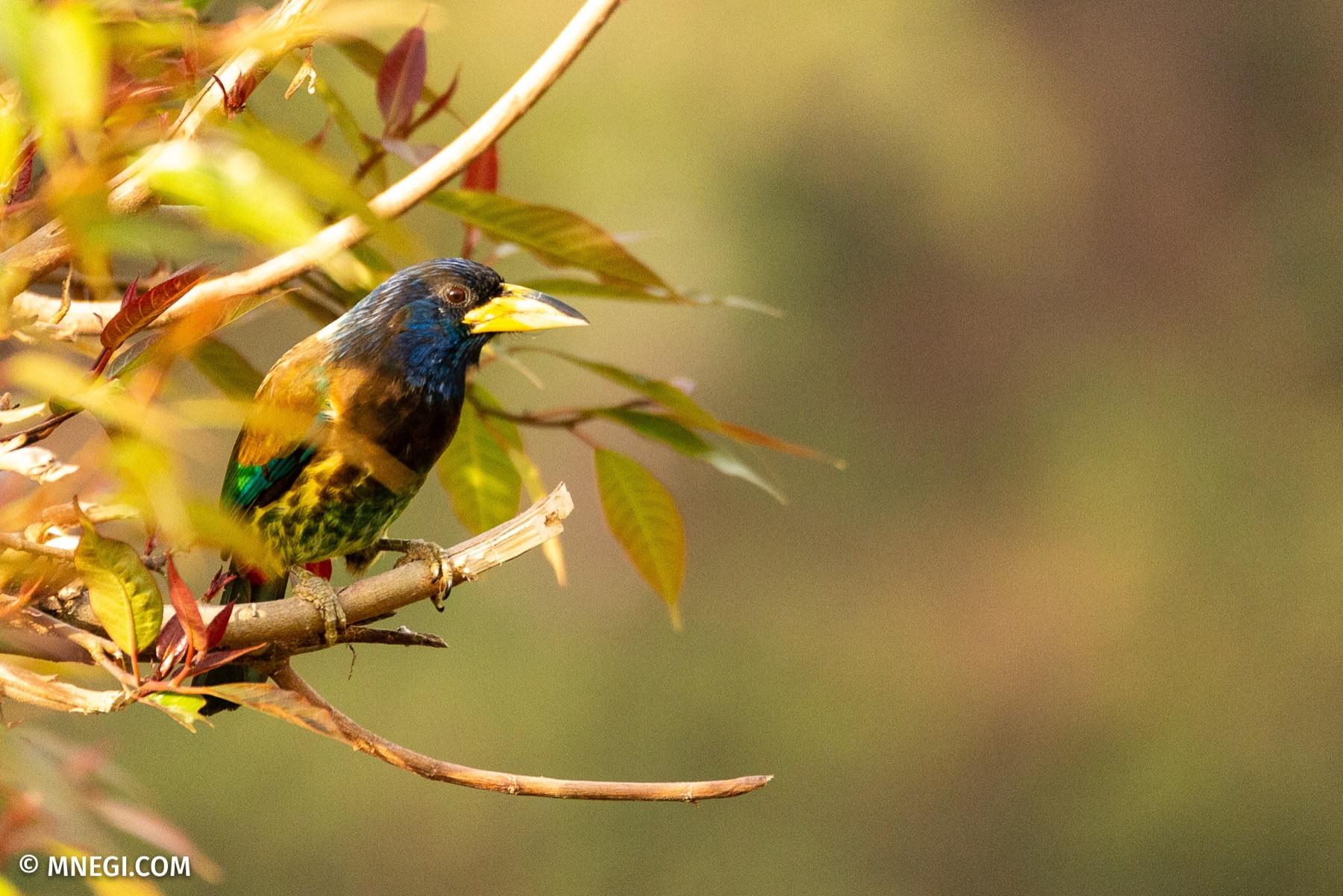

Keep reading
Related pieces
 Food
FoodWe don't keep a guest hungry
On feeding people well as a form of love, never a service — the oldest thing this house knows how to do.
Read it Food
FoodFarm-to-plate, because the farm is right here
A season in the kitchen garden, and the plates it sets — most of what you eat here grew ten steps from the stove.
Read it FoodSoon
Madua, jhangora and the grains of these hills
The hardy hill grains the rest of India is only now rediscovering.
Read the idea
Comments
No comments yet — be the first to share a thought.