
Apr 2021
We don't keep a guest hungry
On feeding people well as a form of love, never a service — the oldest thing this house knows how to do.
Back to the journal
Contents
- 01Where it comes from
- 02The open door
- 03The 'no, really, eat more'
- 04Why you can eat like that here
- 05Chai first, questions later
- 06What it costs, and why it isn't one
- 07The un-grand version of atithi devo bhava
- 08The language of the house
- 09The things we'd never let you leave without
- 10A plate for the road, too
There's a line you'll hear in our house, said so often and so plainly that it took me years to notice it was a philosophy at all: we don't keep a guest hungry. Not 'we serve good food', not 'hospitality is our priority' — nothing so arranged. Just that simple, faintly stubborn fact. Nobody who comes to this door leaves hungry. It isn't a policy. It's closer to a reflex, and it's older than I am.
I've been turning it over lately — what it actually means, where it comes from, why feeding people so insistently feels, in these hills, less like service and more like love. Because that's the heart of it. At a hotel, food is a transaction: you order it, it arrives, you pay. Here it was never that. Here, feeding you is how the house says it's glad you came.
Where it comes from
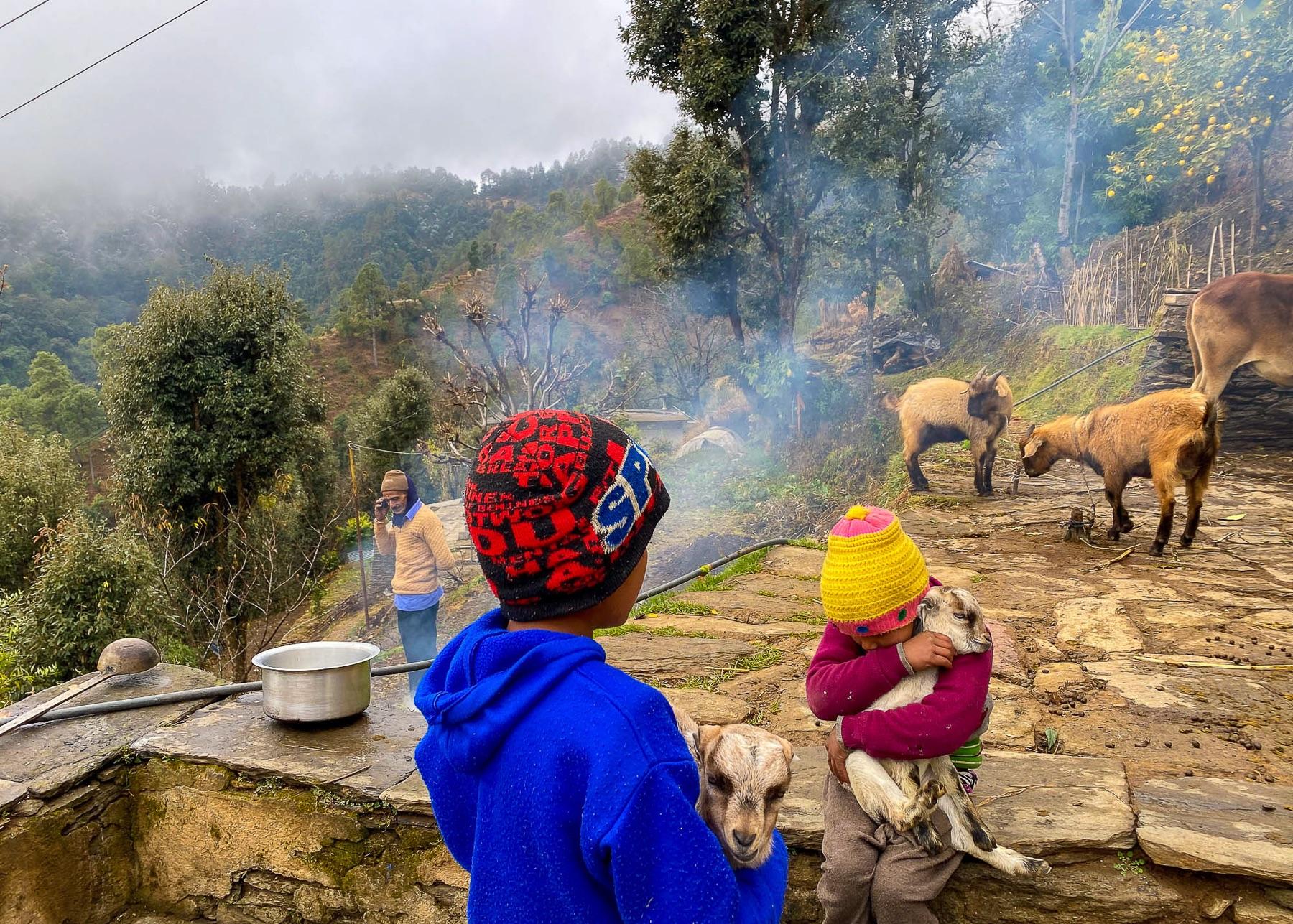
As far back as I can reach, it was simply the case. My grandparents kept a house where anyone at the door was fed — a relative, a neighbour, a traveller passing through, someone who'd walked a long way and would have to walk a long way back. You didn't ask whether they were hungry; you assumed they were, and you put something in front of them. That was the whole of the etiquette. Whatever the kitchen had, a guest got a share of it, and often the better share.
My parents kept it exactly the same way, without ever, as far as I can tell, discussing it. It was just how a house was run. And so it passed to us — not as a taught rule but as an inherited instinct, the way you inherit a way of speaking. To this day, if someone arrives and we haven't fed them, there's a low hum of unease in the house until we have. The guest may be perfectly full. It makes no difference. The house isn't settled until the plate has gone out.
The open door
There's a picture I carry of how that generosity worked, and it isn't dramatic — that's the point. Someone would appear at the edge of the courtyard around a mealtime, and there was never a question of whether they'd eat, only of getting them seated and served. A cousin, a neighbour walking back from their field, someone carrying goods between villages who'd timed their route, knowingly or not, to pass a house that fed people.
In a place where the next tea shop might be an hour's walk and the bus came when it came, a house that always had a plate spare was part of how the whole valley got through its day. Hospitality here wasn't a virtue you switched on for special guests. It was closer to infrastructure — quiet, dependable, and expected of everyone in turn.
The 'no, really, eat more'
If you visit, you should be warned about the second helping, and the third. There is a ritual to it that every hill guest knows and every first-timer learns fast. You finish what's on your plate; before you can lower your hand, more has appeared on it. You say no; the no is heard as a formality and politely ignored. You say no again, more firmly; a little more is added anyway, with a look that says don't insult the kitchen. Somewhere around the point where you genuinely cannot continue, you are allowed to stop — and even then there's a faint air of a job left half-done.
I've watched it happen to visitors more times than I can count, and it goes the same way every time. They arrive saying they're not very hungry, they had something on the road. This is treated with polite disbelief. A plate arrives 'just to try'. They try it, and it's good, so they finish it — which is taken as proof they were hungry after all, and justifies a refill. An hour later they're sitting back, defeated and delighted, insisting they haven't eaten like this in years. And somewhere in the kitchen, someone is quietly satisfied that the house has done its job. Overeating isn't an accident of a visit here. It's the intended outcome.
Why you can eat like that here
It sounds like a lot, and it is. But here's the strange thing: you can eat like that here in a way you can't elsewhere, and get up feeling fine. I've thought about why, and I think it's a few things stacked together.
The food is easy on the stomach to begin with — simple, unfussy, not drowning in oil or cream. It's fresh, most of it grown a few steps from the kitchen and cooked the same day, so it sits lightly. The water is clean mountain water and the air is thin and good, and somehow the whole business of digestion just goes better up here than it does in a city. And then there's the last ingredient, the one you can't buy: the food is made with an open hand and a glad heart, and I'm convinced — unscientifically, completely — that you can taste it, and that it agrees with you differently. Food cooked to feed you sits better than food cooked to be sold.
Chai first, questions later
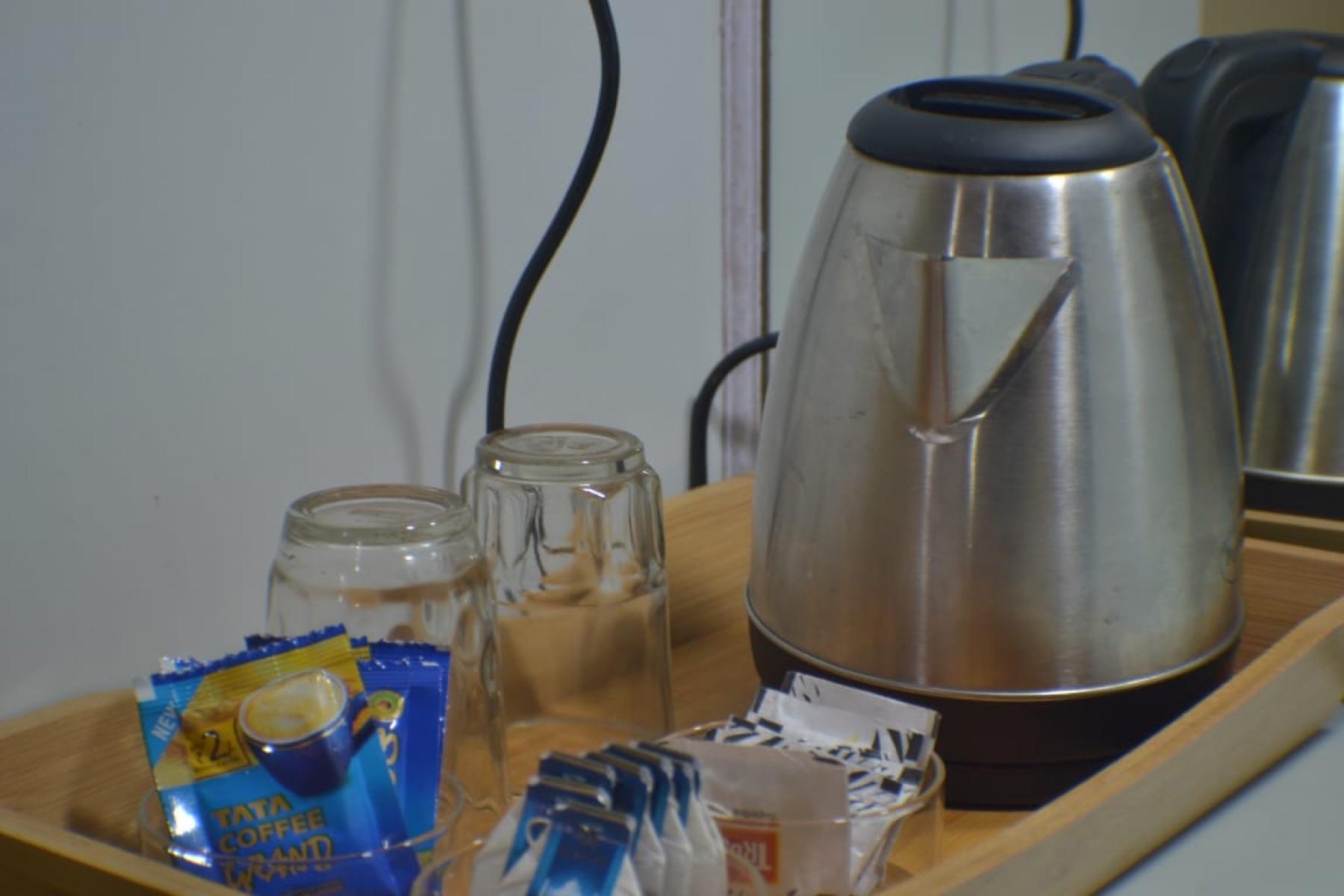
There's a smaller ritual nested inside the big one, and it happens before any meal: the chai. Arrive at any hour, invited or not, expected or not, and the first thing that happens is that a cup of tea is put in your hands — often before you've finished taking your shoes off, certainly before anyone asks why you've come. The questions wait. The chai doesn't. It's the opening move of hill hospitality, the way a house says sit down, you're welcome here, catch your breath — and it asks nothing of you in return but that you drink it hot.
From there the logic is inevitable. You've had the chai; it's nearly a mealtime, or can be made to be; you've come a long way; surely you'll eat. And so a cup of tea becomes a plate of food becomes a second plate, and an hour you'd meant to spend passing through becomes an afternoon. This is not an accident. It is, more or less, the whole design.
What it costs, and why it isn't one
People from the city sometimes ask, gently, whether all this feeding isn't expensive — whether a house that puts a full plate in front of every visitor doesn't slowly eat itself poor. It's a fair question, and it misunderstands the thing completely. For most of our history the food wasn't bought; it was grown, a few steps from the kitchen, and the extra cost of one more person at the table was a handful of what the terraces already gave. You don't count the cost of feeding a guest for the same reason you don't count the cost of offering them a chair. It isn't that kind of transaction.
And there was always an unspoken arithmetic underneath it, older than money: the house that feeds a traveller today is the house whose own travellers get fed tomorrow, in some other valley, at some other door. Generosity in the hills was a kind of insurance, paid forward. You kept an open kitchen partly because it was right, and partly because you knew, in your bones, that one day it would be you at the far end of a long walk, hoping the next house kept its kitchen open too.
The un-grand version of atithi devo bhava
There's a Sanskrit line people like to quote — atithi devo bhava, the guest is god — and it's lovely, but it can sound grand, ceremonial, like something out of a temple. What happens in a hill home is the un-grand version of it. No ceremony, no fuss, no announcement. Just a steel plate, filled without being asked and refilled without being asked, a seat by the warm part of the room, and the sense — communicated entirely through food — that your arrival has made the day better rather than more complicated. The reverence is real. It just wears very plain clothes.
The language of the house
I've come to think of it as a language, this feeding. In a lot of hill families — mine included — the big feelings don't get said out loud very much. Love, worry, welcome, apology, pride: they aren't always spoken. But they are constantly served. A parent who won't say 'I missed you' will put your favourite thing on the stove the day you come home. A quarrel half-mended shows up as an extra sweet slipped onto your plate. Concern for someone looking tired or thin arrives as a second helping they didn't ask for. The plate carries what the words don't, and once you learn to read it, a Kumaoni kitchen is one of the most articulate rooms in the house.
And because it's a language, refusing to be fed can land as more than just declining food. Push the plate away too firmly and something in the room cools; accept it, even a little, and you've said yes to more than the meal. This is why the 'eat more' is so insistent, and why the right answer is almost never a flat no. To eat what a hill house offers is to accept its welcome. To let them feed you is to let them love you, in the one language the house speaks most fluently.
The things we'd never let you leave without
If you pressed me — what's the one thing you'd never let a guest go without tasting? — I'd have to think, because we don't really rank the food like that. But a few answers come quickly. Aloo ke gutke, first and always: the homegrown-potato dish I grew up on, and the thing I'd put in front of a stranger before I'd learned their name. If it's the right season and the cucumbers are in, the pahadi raita — that mustard-tempered, cooling raita people always want the recipe for.
And then two things we don't actually make in the house but would happily send someone out for, because you shouldn't pass through this part of the hills without tasting them: bal mithai, the dark, fudgy, sugar-pearled sweet that Almora is famous for, and singori, a little cone of sweetened khoya wrapped and served in a fresh malu leaf, so it carries a faint green scent of the forest. Those two aren't ours. But we'd want you to have them before you left.
A plate for the road, too
And it doesn't stop at the door on the way out. Leave Kunja and you're unlikely to leave empty-handed — a few malta pressed into your bag, something wrapped for the journey, a 'you'll get hungry on the road' that brooks no argument. The instinct that won't let a guest go hungry inside the house extends, naturally, to the road beyond it. It would be unthinkable to send someone off to travel for hours with nothing to eat. So we don't.
None of this is unique to us, I should say. Walk into almost any old home across these hills and you'll meet the same insistence, the same full plate, the same refusal to let you go without eating. It's less a family trait than a regional one — a thing the whole of Kumaon seems to have agreed on long ago and never bothered to write down. We just happen to keep it going, one guest at a time.
I used to think 'we don't keep a guest hungry' was just a nice thing my family said. The longer I run a house that welcomes people, the more I understand it as something closer to a small, complete philosophy of how to treat another person: assume they're tired, assume they're hungry, assume they've come a long way, and meet all of it with food before they've had to ask for anything. Feeding people isn't the service we offer around the stay. In a real sense it is the stay — the oldest thing this house knows how to do, and still the thing it does best. Come hungry. We'll take it from there.
About the author
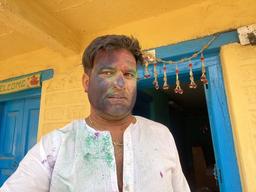
Manohar Negi
Owner & host
Manohar grew up in these hills and never really left. A photographer by craft and a host by heart, he turned the family home at Kunja into a place to share — and most of the frames you see across this site are his.
More about Manohar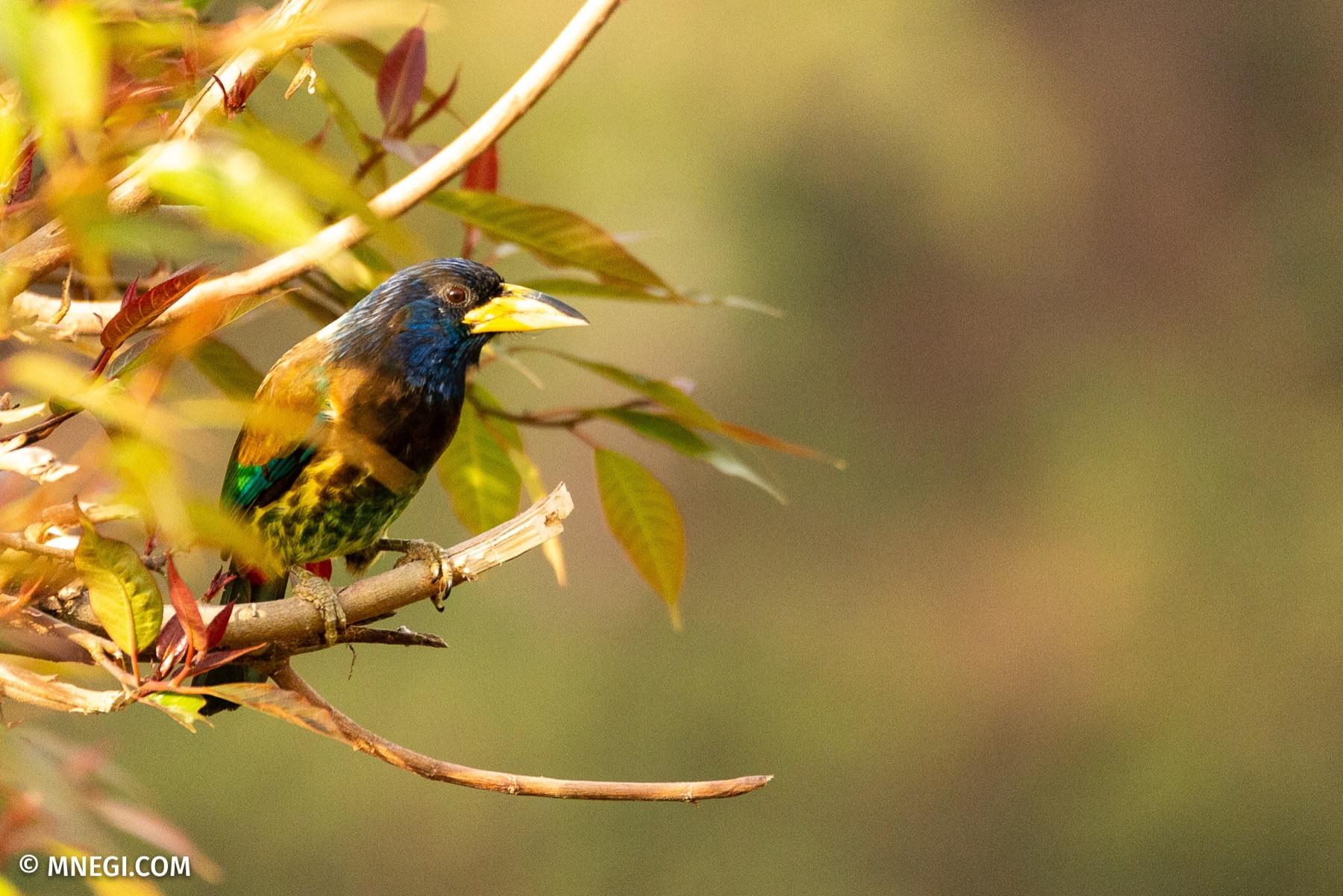

Keep reading
Related pieces
 Food
FoodBhatt ke dubke, jholi bhaat, aloo ke gutke
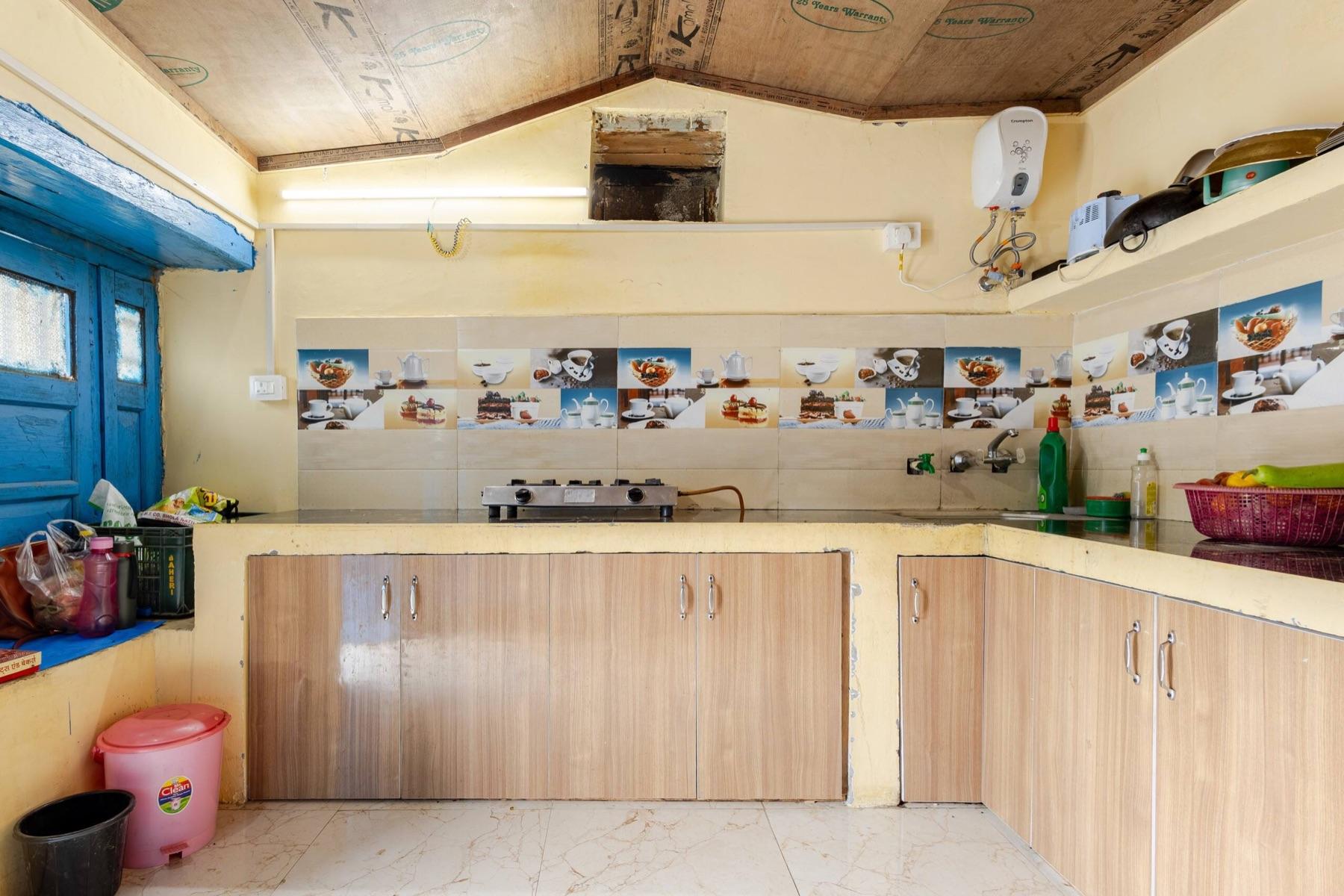
A short, hungry tour of the Kumaoni table — dish by dish, the way we'd point it out to you with an empty plate in front of you.
Read it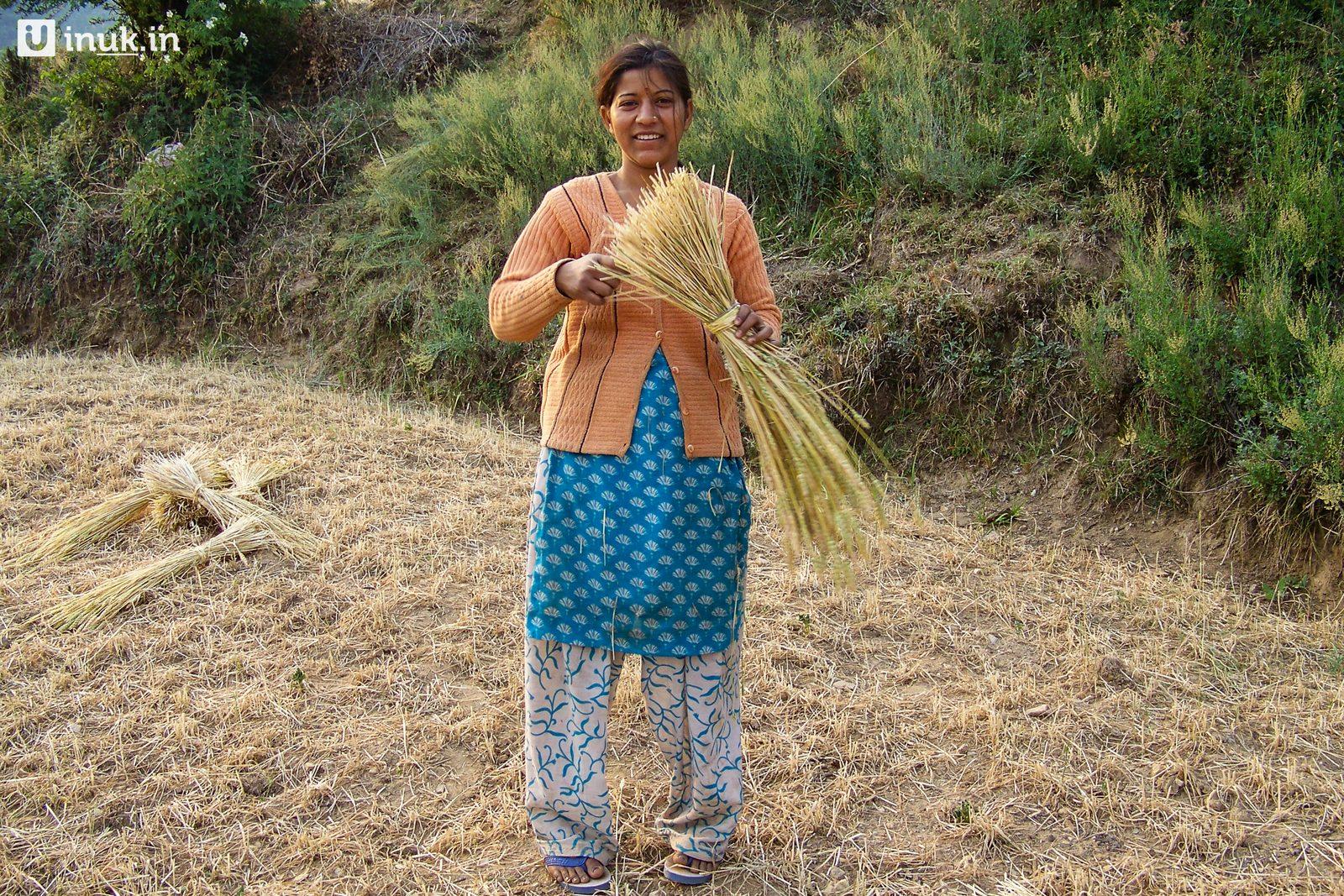 Food
FoodFarm-to-plate, because the farm is right here
A season in the kitchen garden, and the plates it sets — most of what you eat here grew ten steps from the stove.
Read it FoodSoon
Madua, jhangora and the grains of these hills
The hardy hill grains the rest of India is only now rediscovering.
Read the idea
Comments
No comments yet — be the first to share a thought.