Across Uttarakhand
Birdwatching
From the homestay courtyard in Kunja out across Kumaon and Garhwal — every place we've birded, and the famous spots still on our list.
Back to homeIt begins at the homestay in Kunja — 42 species photographed from the courtyard and the oak slopes around it — and reaches out across Kumaon and Garhwal from there. Every place below is somewhere we've birded ourselves, or one still on our list.
By place
Where we've birded
Beyond the courtyard, out across Kumaon and Garhwal — pick a place to see what turns up there.
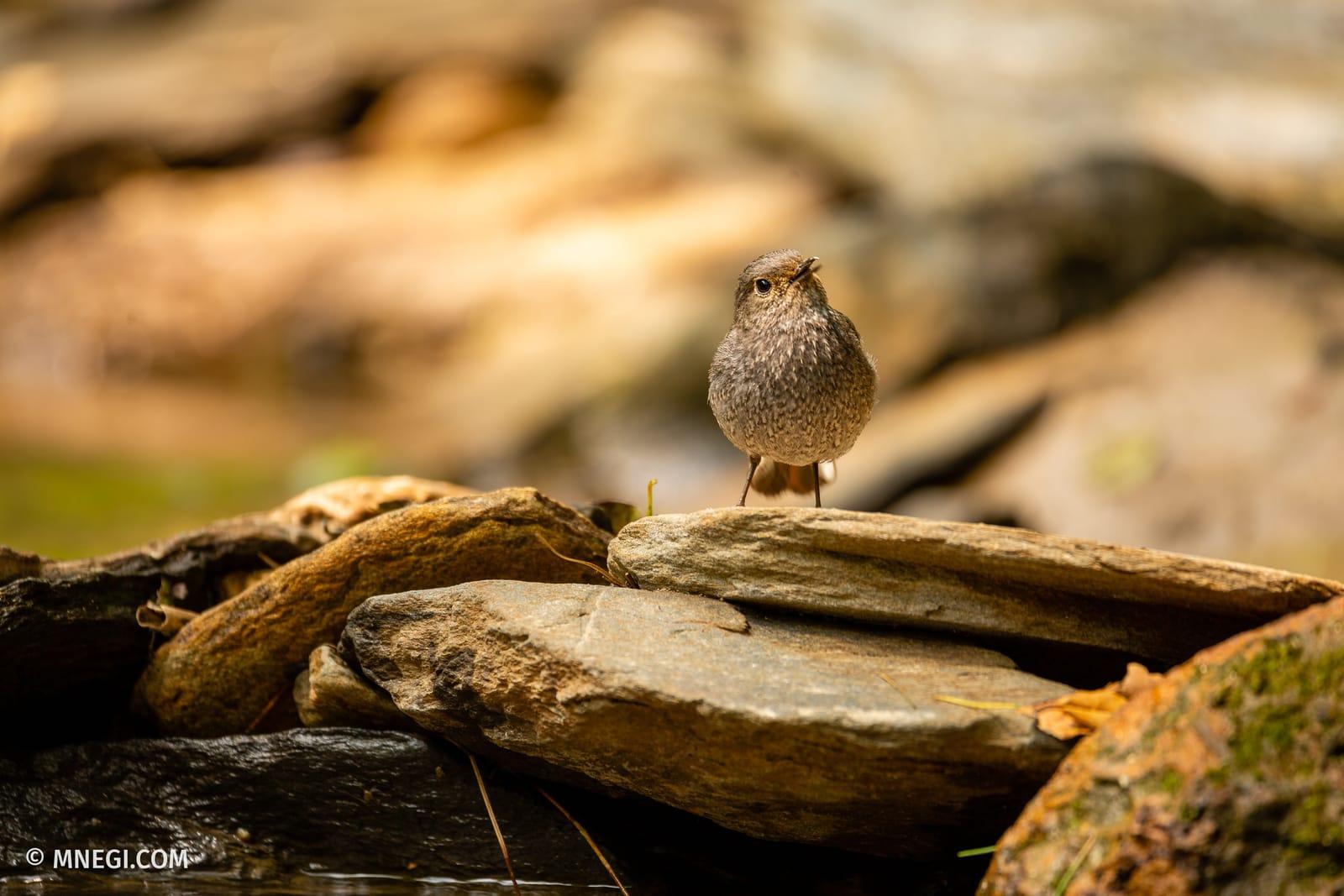
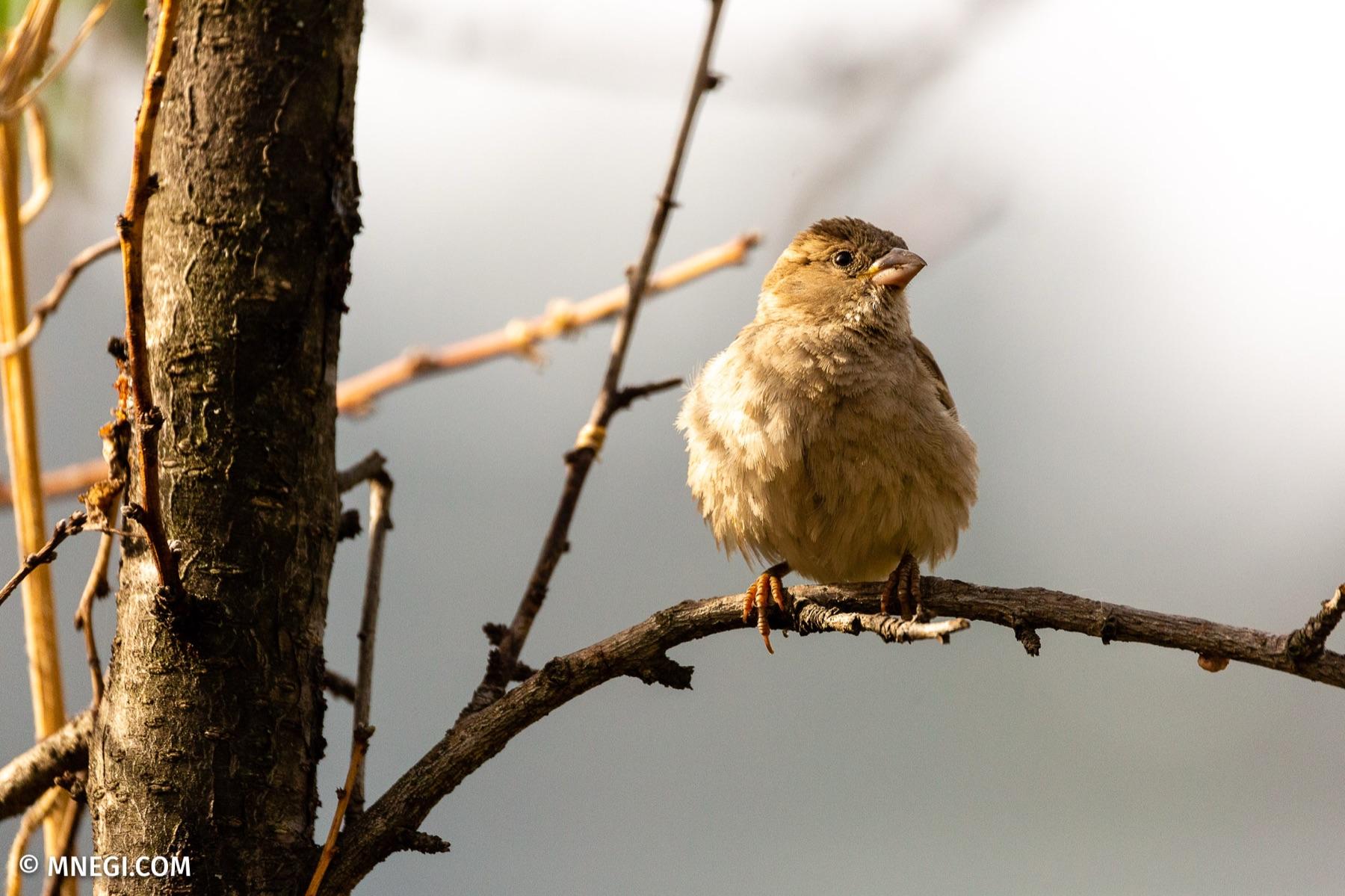
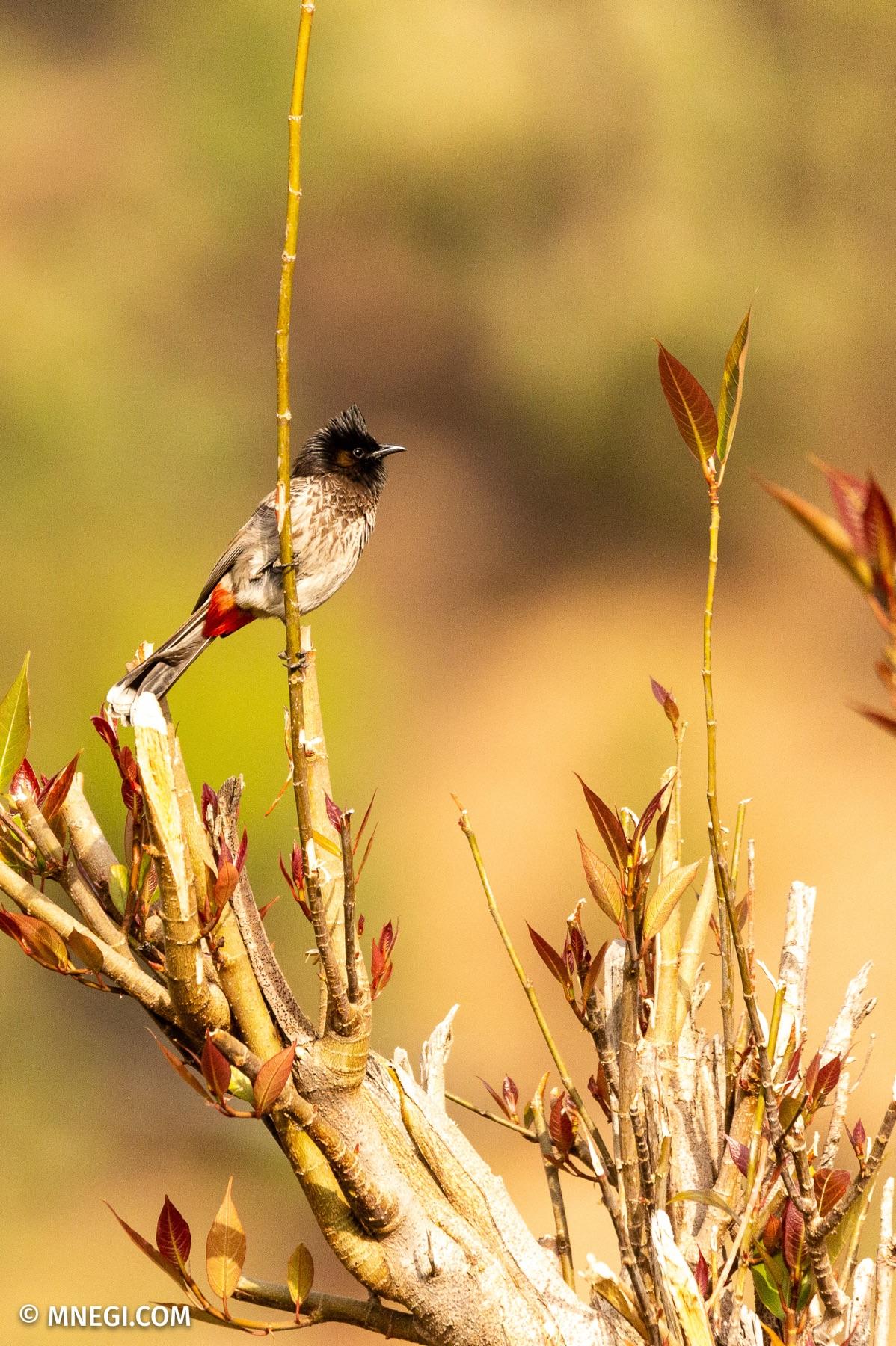
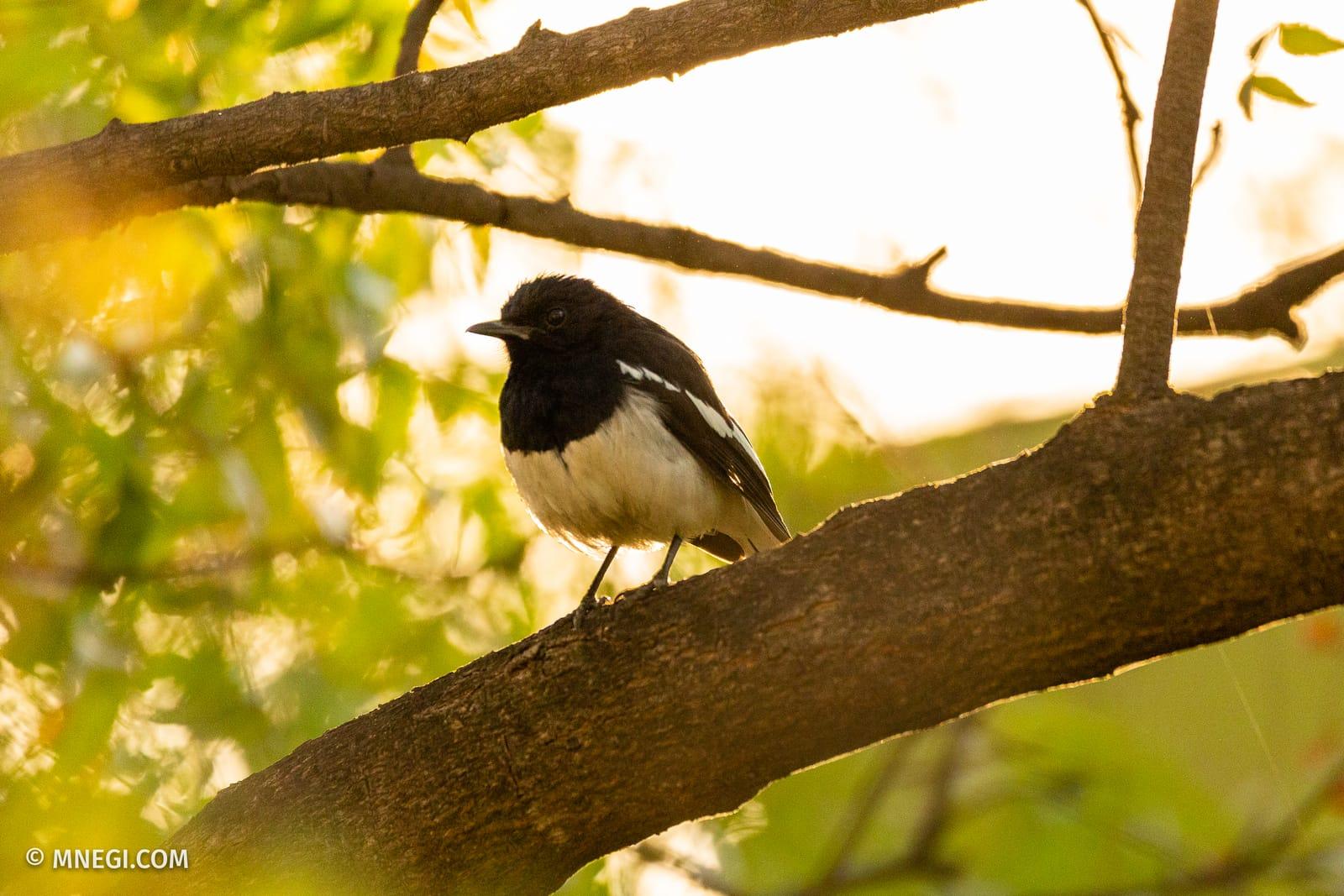
Calls open on xeno-canto, the open bird-sound archive · Photographed across Kunja and the Kumaon hills · Photo courtesy Manohar Negi
Beyond the valley
Birding across Uttarakhand
Some of India's most famous birding country lies within reach — from the oak sanctuaries of Kumaon to the high meadows and wetlands of Garhwal. We haven't shot these ourselves yet, but we'll gladly point you the right way.
Still chasing
Star birds of these hills
The ones we travel for — seen on the high treks, still chasing them with the lens.
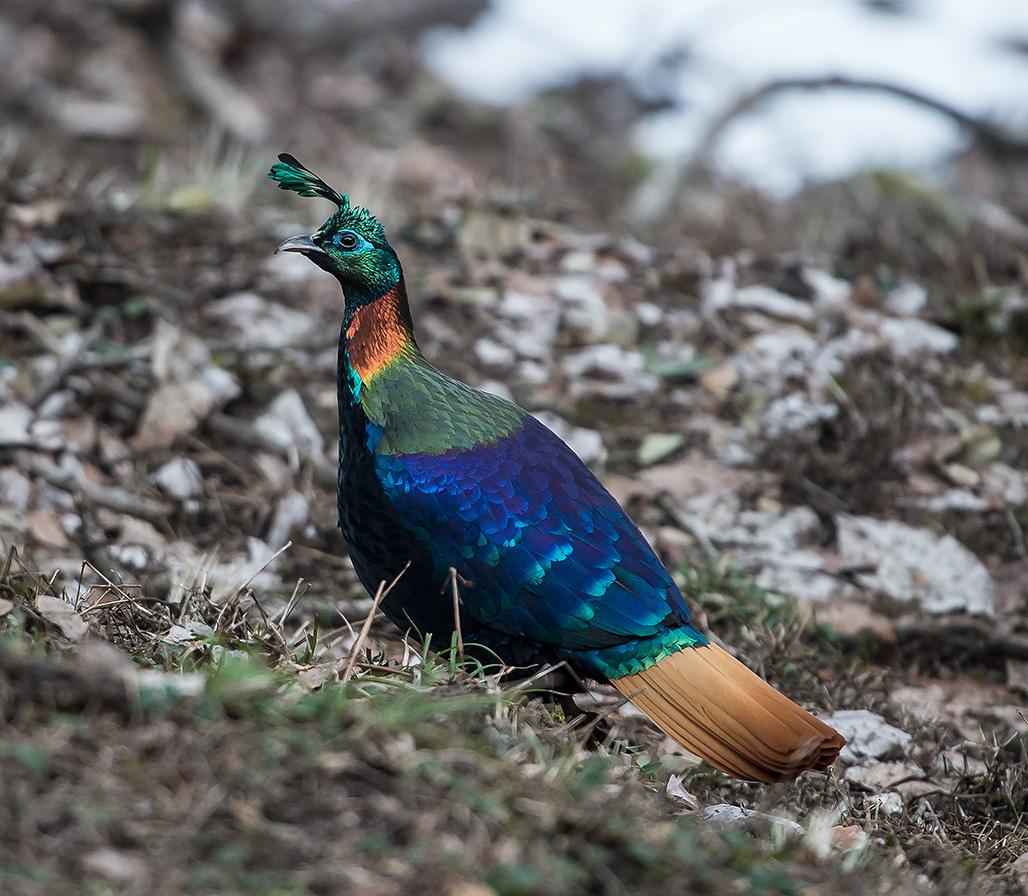
Himalayan Monal
Lophophorus impejanus
A high-altitude pheasant like no other — the male a living jewel, his plumage shifting through metallic green, blue, copper and violet as he turns in the light, a white rump flashing as he breaks downhill. The plain russet female is all camouflage beside him. They keep to the oak and conifer forest and the alpine meadows above, roughly 2,400 to 4,500 metres up.
From the trail
I've been lucky enough to see the Monal twice — once near the Khaliya Top base camp above Munsyari, and again on the Chandrashila climb just above Chopta. Both times close, both times clear, and both times mid-trek, with no chance to raise the camera in time. So for now it lives in memory rather than the lens. But I'll be back for it — and our own photographs of the Monal and the others here are coming very soon.
 Manohar NegiOwner & host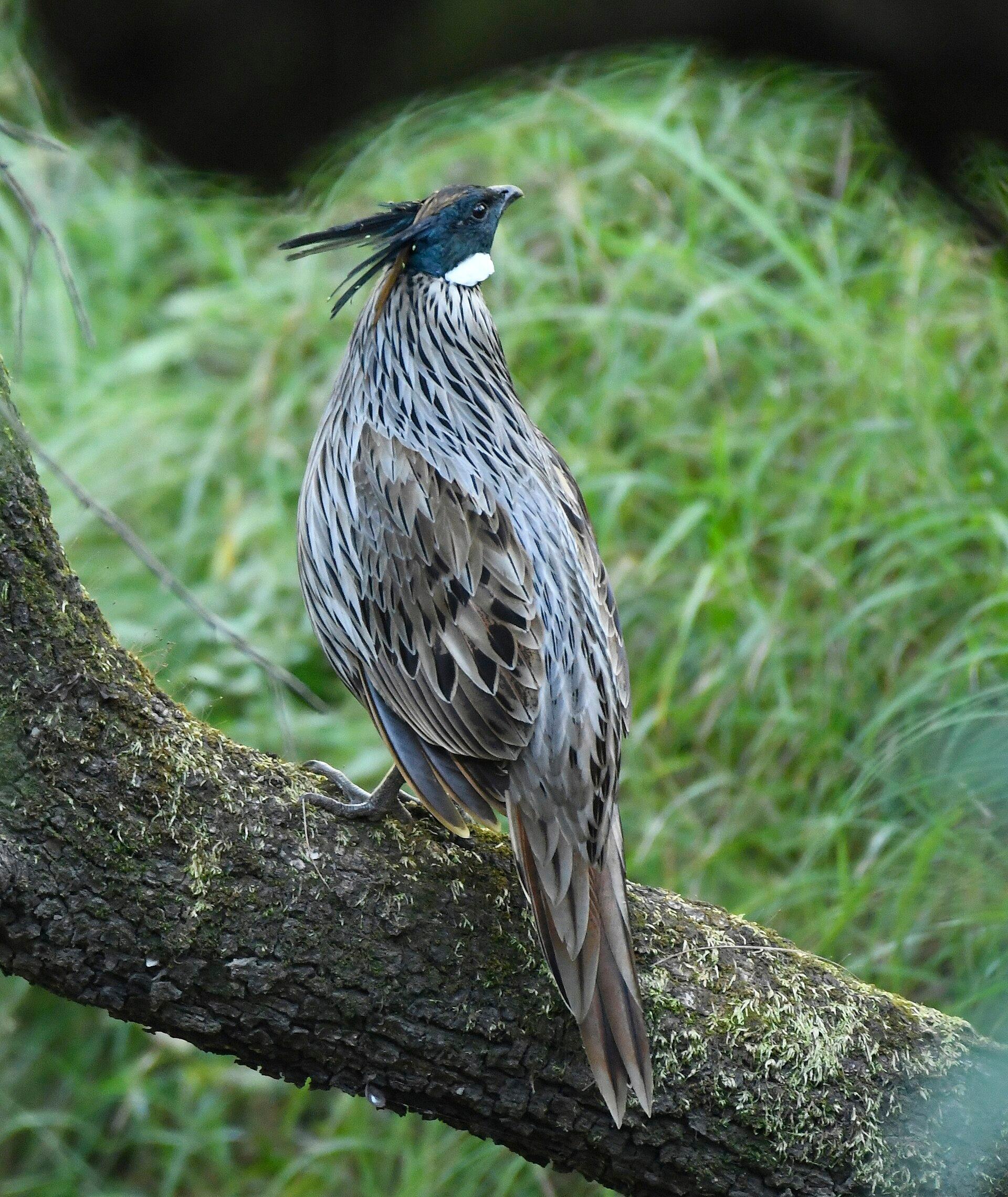
Koklass Pheasant
Heard far more than seen, calling at dawn from steep oak and conifer forest.
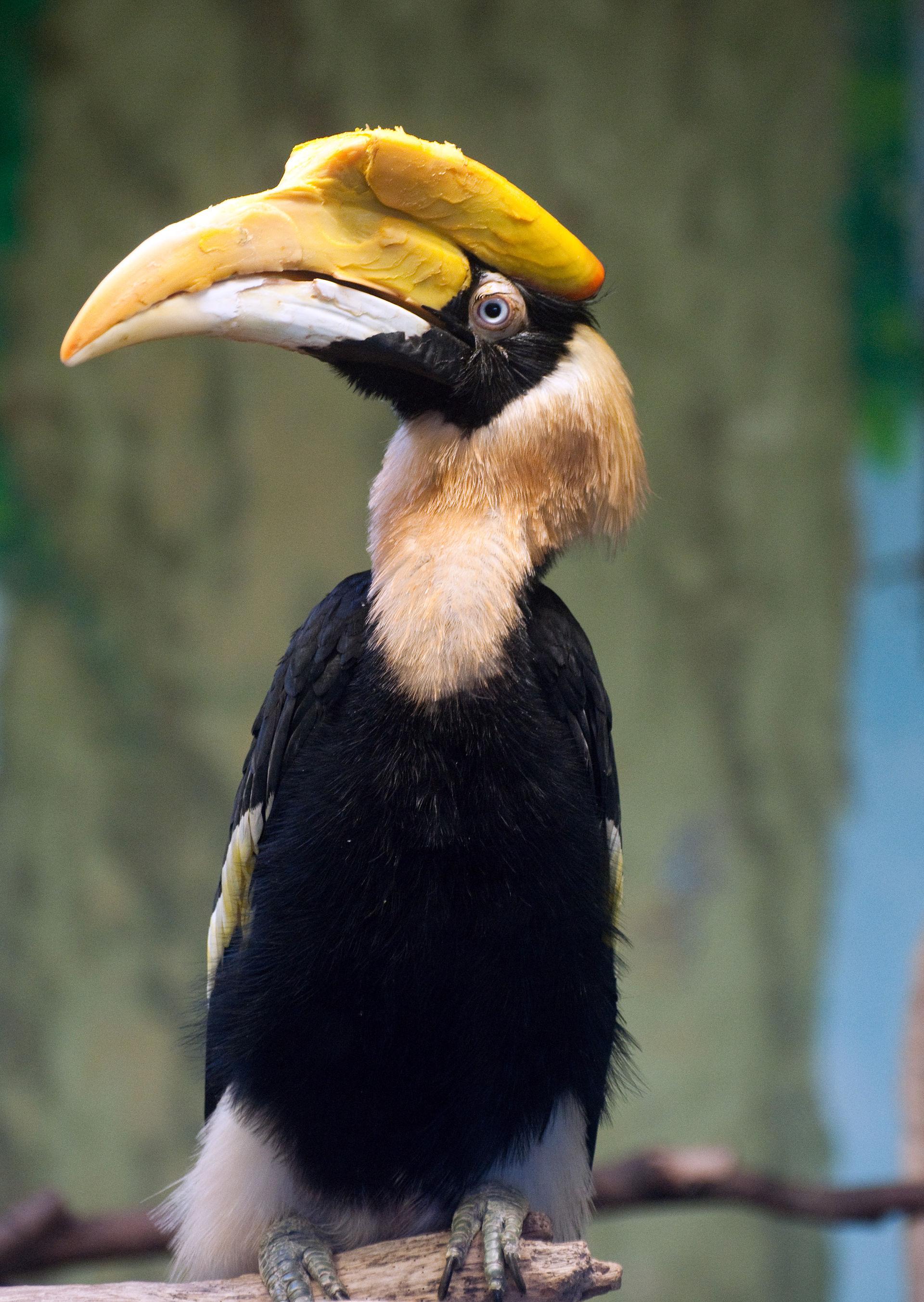
Great Hornbill
A huge casqued bill and a wingbeat you hear long before you see it.
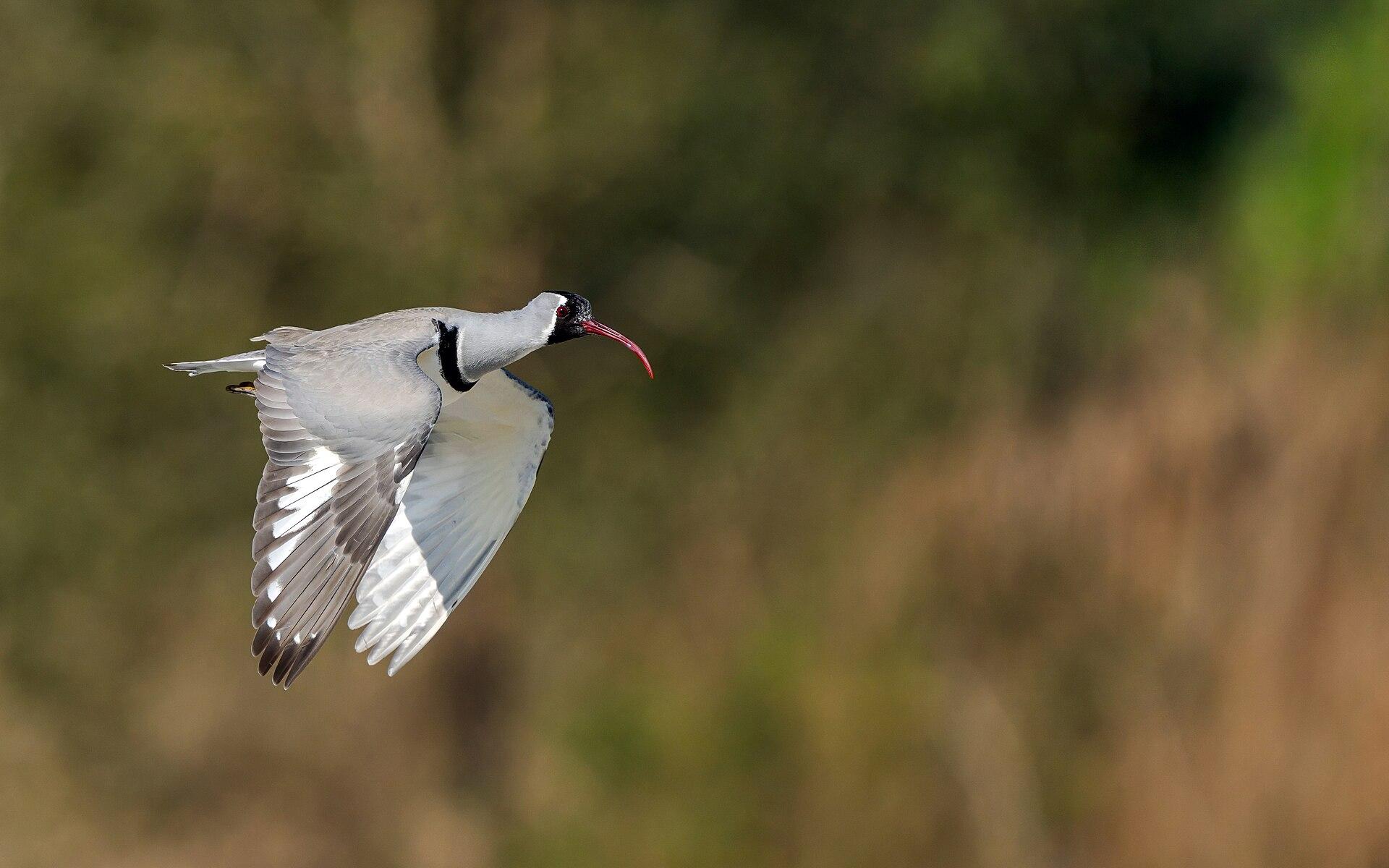
Ibisbill
A grey wader of winter riverbeds, near-invisible against the shingle.
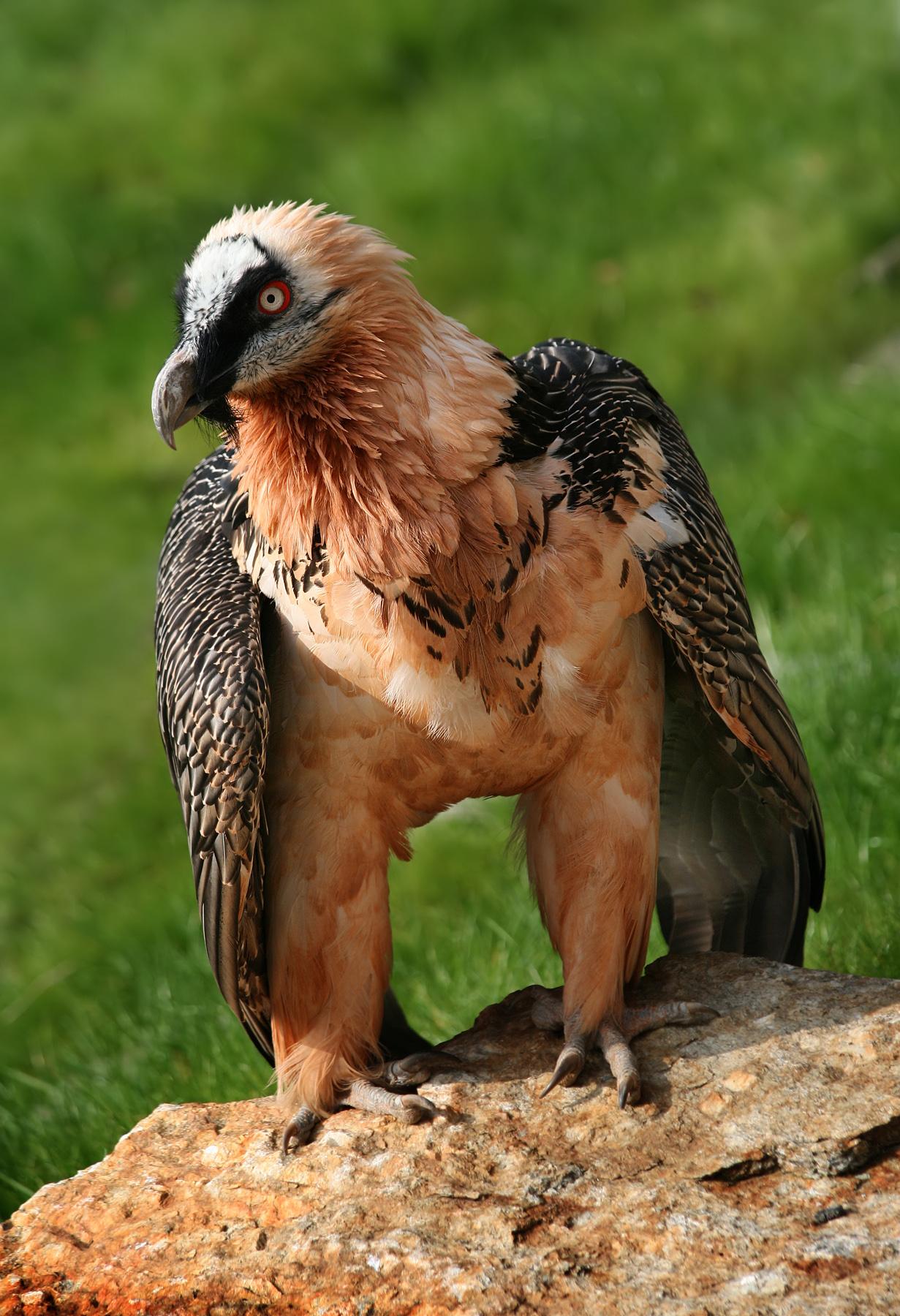
Lammergeier
The bearded vulture, riding the high thermals on near three-metre wings.
What you'll see
The kinds of birds
From the courtyard to the high meadows, the birds of these hills fall into a few great families. Here's the lay of the land — and a sense of what to keep an eye (and an ear) out for.
Sparrows, finches & buntings
The everyday birds of the courtyard and fields — house sparrows, rosefinches and seed-eaters working the hedges and the drying grain.
Bulbuls, tits & warblers
Restless little birds of the hedges and the oak canopy — Himalayan and red-vented bulbuls, green-backed and cinereous tits, leaf warblers.
Flycatchers & redstarts
Bright, active insect-hunters — verditer, ultramarine and paradise flycatchers, blue-fronted and plumbeous water redstarts.
Barbets, woodpeckers & hoopoes
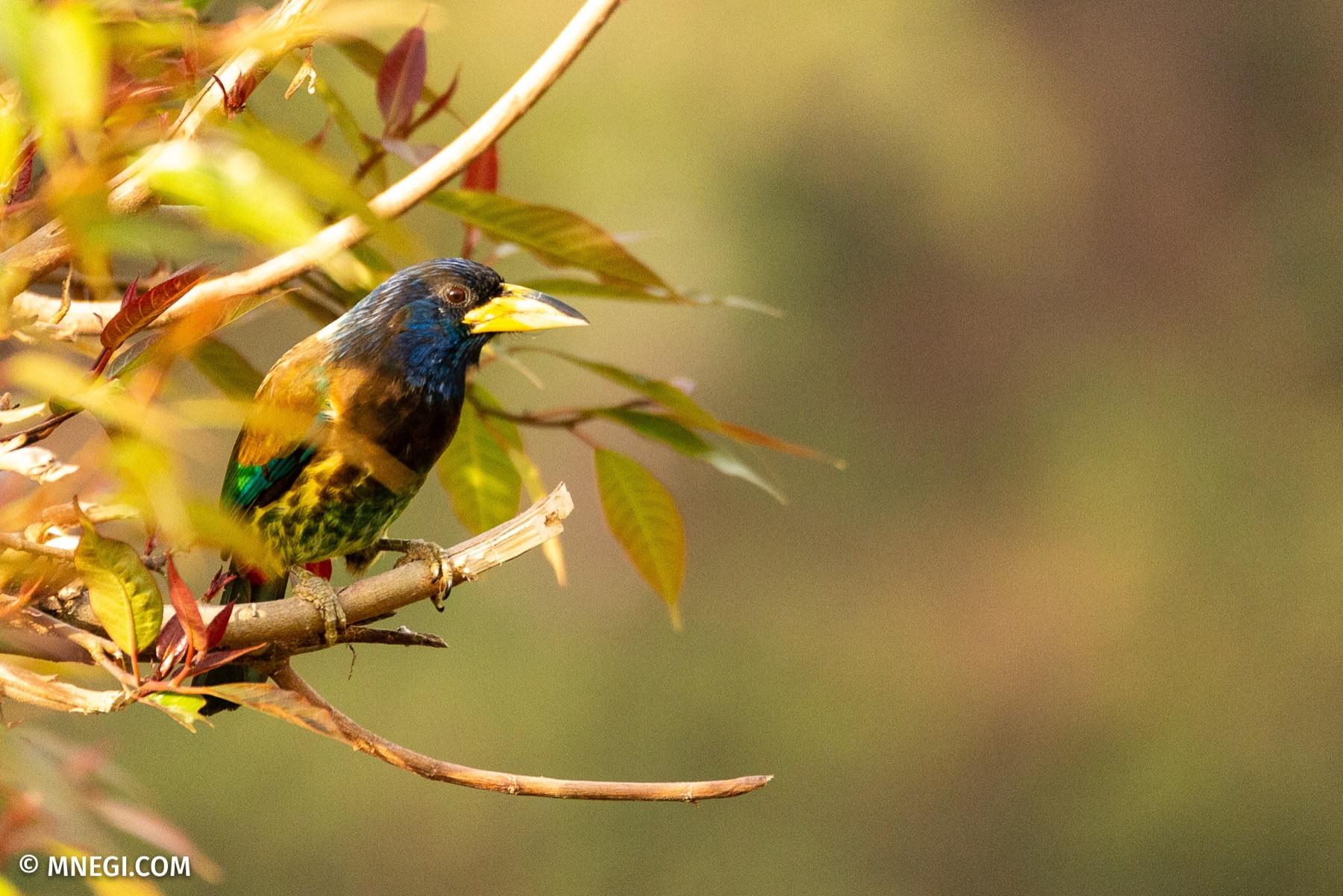
Birds of the trunks and the tall trees — the loud great barbet, woodpeckers tapping the deodars, and the unmistakable hoopoe.
Magpies, jays & treepies
The bold, clever corvids — red-billed blue magpies, black-headed jays and grey treepies that own the canopy.
Minivets, orioles & sunbirds
Flashes of pure colour — scarlet minivets, golden orioles, and crimson and purple sunbirds at the flowers.
Doves, kingfishers & water birds
Along the streams and the open ground — spotted doves, white-throated kingfishers, dippers and forktails at the water.
Pheasants, raptors & the high country
The prizes of the heights — the Himalayan Monal, koklass pheasants, and the Lammergeier riding the thermals.
A field guide
How to spot them
You don't need to be an expert — just a little quiet and a little patience. A handful of habits turns a walk into a morning of birds.
Go at first light
The hour after sunrise is when the hills are loudest and busiest with birds. A second, quieter flurry comes just before dusk.
Listen as much as you look
Most birds call before they show themselves — learn a few calls and you'll find far more than by sight alone.
Move slowly, stop often
Walk a few steps, then stand still and watch. Sudden movement empties a tree; patience fills it back up.
Watch the edges
Where forest meets field, or water meets bank, holds the most birds. Scan the bare treetops and the undergrowth both.
Dress quiet
Muted greens and browns, no bright colours, and keep voices low. Birds notice everything.
Know the season
Residents are here all year; many of the best birds are winter or summer visitors. Spring and the post-monsoon weeks are richest.
If you bring a camera
- A long lens helps — 300mm and up — but a steady hand and patience matter more than the gear.
- Shoot at the bird's own eye level when you can; it turns a record shot into a portrait.
- A fast shutter (1/1000s and up) freezes the flit, and the soft light of early morning is kindest.
- Never bait, crowd or flush a bird for a photo. The bird always comes first.
There's more in the field journal below — and it grows every season.
Read more
From the field journal
Longer pieces on seeing and photographing the birds of these hills — a guide that grows as we do.